Tips & Tricks

At a Glance: |
|---|
In 2026, the most effective marketing for SMEs starts with a POS system. Tools like StoreHub help businesses connect daily sales, customer data, and marketing decisions in one place. By using a modern POS system alongside digital marketing, messaging, and analytics tools, SMEs can move away from guesswork and run smarter, data-driven marketing that drives repeat customers and sustainable growth. |
For many SMEs, marketing still feels like guesswork.
You post on social media, run the occasional promotion, maybe boost an ad — but it’s often unclear what actually drives customers through the door. In 2026, that approach no longer works. Customers expect relevant offers, consistent experiences, and timely communication — whether they’re visiting a café, restaurant, retail store, or boutique.
The good news? SMEs don’t need enterprise-level software to compete. They need practical marketing tools that connect daily operations with customer behaviour. Below are the most important marketing tools every SME should be using in 2026 — and how they help in real business situations.
Why Is a POS System One of the Most Powerful Marketing Tools for SMEs?
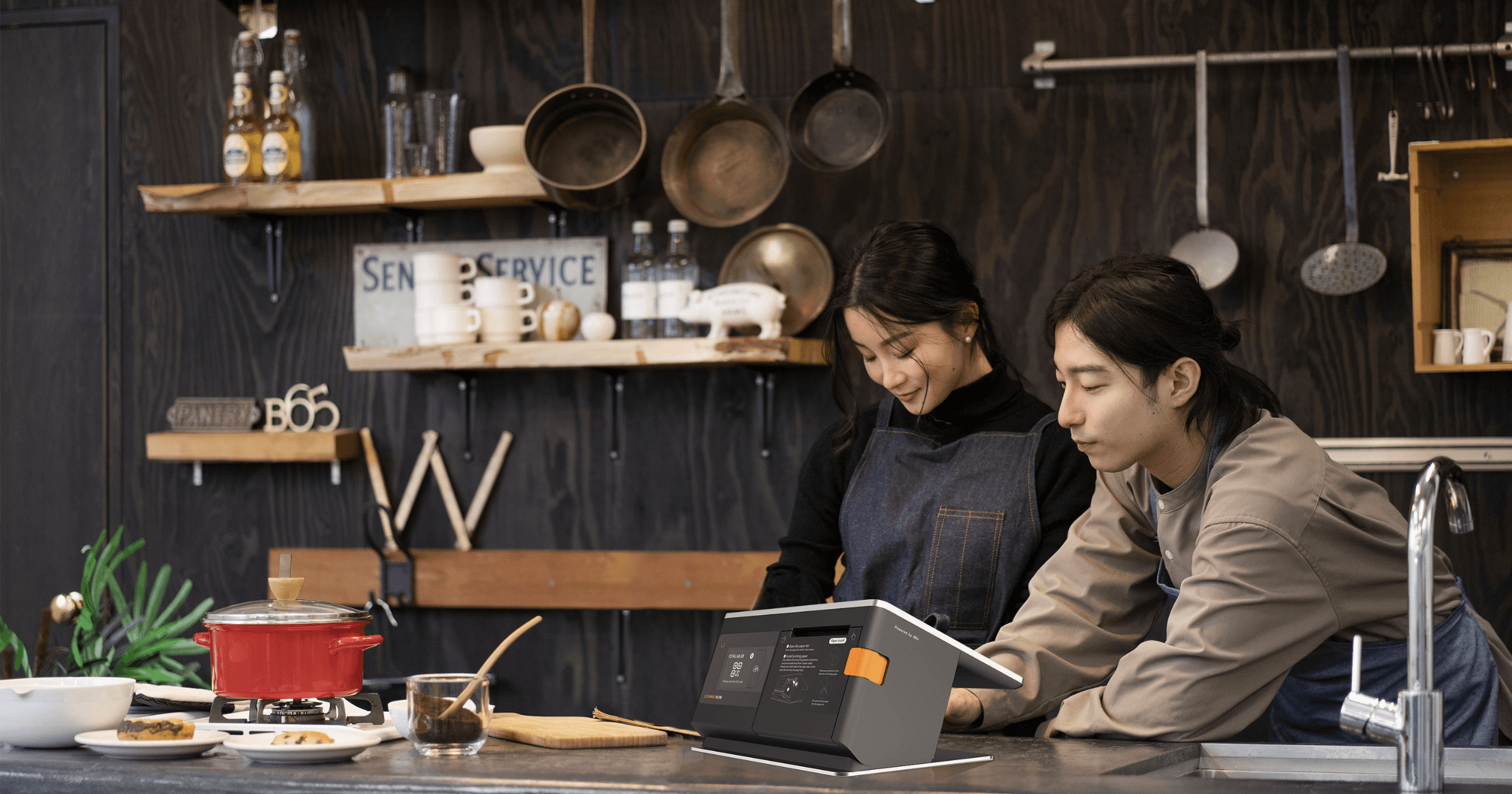
Many business owners still see a POS system as purely operational — a way to process payments and issue receipts. In 2026, that thinking leaves money on the table.
A modern point of sale system quietly collects some of the most valuable marketing data an SME can have: what sells, when it sells, and who is buying. This data becomes the foundation for smarter marketing decisions.
For example, a restaurant can analyse sales trends to see which menu items perform best on weekdays versus weekends, then promote the right dishes at the right time. A retail store can identify repeat customers and understand what they tend to buy, making promotions more targeted instead of generic. A café can spot slow periods and design offers that improve footfall without heavy discounting.
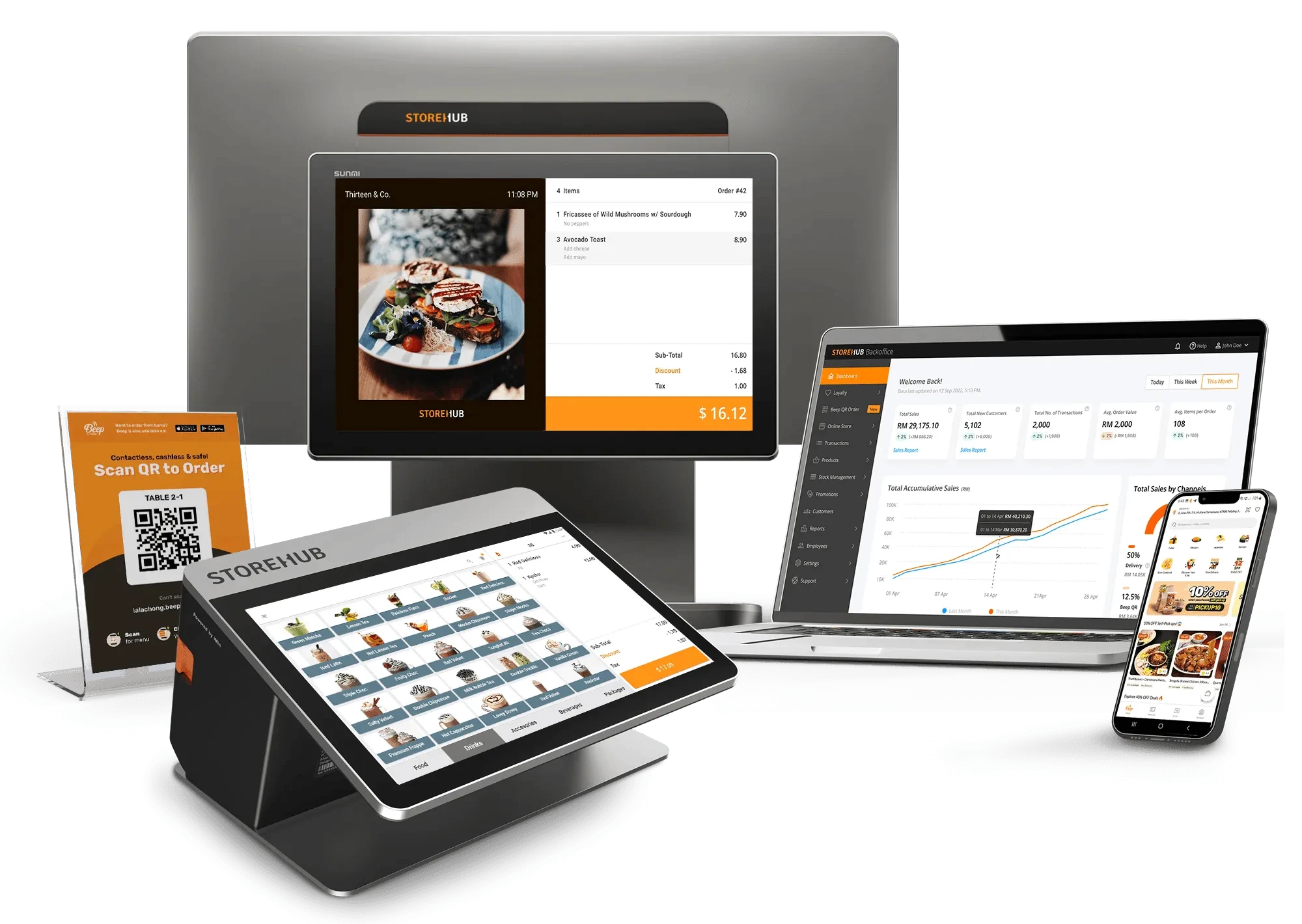
This is where StoreHub fits naturally into an SME’s marketing stack. By combining POS, customer insights, and reporting in one platform, StoreHub helps businesses turn everyday transactions into actionable marketing insights — without adding complexity.
How Do Digital Marketing Platforms Help SMEs Get Discovered Locally in 2026?
In 2026, digital marketing is less about chasing virality and more about local relevance.
Customers searching for a restaurant, café, or boutique usually start online — even if the purchase happens offline. Social media platforms, Google listings, and paid ads help SMEs show up at the right moment, but only when used strategically.
Effective SMEs use digital marketing platforms to:
Highlight products or menus that already sell well
Promote time-sensitive offers during slower periods
Reinforce visibility within a specific neighbourhood or catchment area
Instead of posting randomly, businesses that perform well align content with actual sales patterns. When promotions are based on real data — not assumptions — digital marketing becomes more predictable and cost-effective.
How Can Messaging and CRM Tools Turn One-Time Buyers into Regular Customers?

For most SMEs, repeat customers are the foundation of sustainable growth.
Yet many businesses still rely on manual reminders, ad-hoc WhatsApp messages, or generic promotions that don’t reflect how customers actually behave.
In 2026, effective messaging and CRM tools focus on automation, relevance, and timing. Instead of messaging everyone the same offer, these tools help businesses stay connected with customers in a way that feels personal — without requiring constant manual effort.
For example, a café can automatically reward customers after a certain number of visits and remind them to come back with a timely SMS.
A retail boutique can recognise loyal shoppers and notify them when new arrivals are in-store. An F&B outlet can follow up after a visit with a targeted incentive, encouraging a second purchase while the experience is still fresh.
This is where a fully integrated loyalty system makes a real difference. With StoreHub Membership, SMEs can run a digital loyalty program that’s directly connected to their POS data. Customers earn rewards automatically when they spend, while businesses can trigger automated SMS marketing based on real purchase behaviour — such as visit frequency or spending patterns.
Because messaging is tied to actual transactions, communications feel timely and relevant rather than intrusive. Over time, this approach builds familiarity and trust, turning one-time buyers into regulars — not through constant discounts, but through consistent, meaningful engagement.
Why Do SMEs Need Analytics Tools to Improve Marketing Decisions?
One of the biggest challenges SMEs face is not a lack of effort — it’s a lack of clarity.
Many businesses run promotions, post on social media, or offer discounts without knowing which actions actually drive sales. In 2026, marketing without analytics is no longer just inefficient — it’s an expensive guessing game.
Analytics tools help SMEs move from assumptions to evidence. Instead of relying on gut feel, businesses can answer practical, decision-shaping questions such as:
Which promotions lead to higher transaction values, not just more visits?
What days and times consistently perform best — and which need support?
Which products or menu items respond well to marketing efforts, and which don’t?
This visibility is especially important for F&B and retail businesses, where margins are tight. For example, a restaurant might discover that a weekday lunch promo increases foot traffic but lowers average spend — signalling a need to refine the offer. A retail store may find that certain campaigns drive sales for specific categories, helping focus future marketing budgets more effectively.
When analytics are directly linked to sales data, SMEs can adjust strategies with confidence. Instead of running broad discounts or copying competitors, decisions are made based on what actually works for their customers.
Frequently Asked Questions (FAQs)
What marketing tools should SMEs use in 2026?
SMEs should focus on tools that link marketing efforts to sales, including a POS system, digital marketing platforms, messaging or CRM tools, and analytics.
Why is a POS system important for SME marketing?
A POS system captures sales and customer data, allowing SMEs to understand buying behaviour and run more targeted, effective marketing campaigns.
How does StoreHub help SMEs with marketing?
StoreHub combines POS, customer insights, loyalty programs, and reporting, helping SMEs turn everyday transactions into actionable marketing decisions.
Can a POS system help increase repeat customers?
Yes. When paired with loyalty and messaging features, a POS system helps SMEs reward customers and remind them to return based on real purchase behaviour.
Is digital marketing still necessary if I use a POS system?
Yes. Digital marketing helps attract customers, while a POS system ensures promotions are informed by real sales data and customer insights.