Tips & Tricks
At a Glance: |
|---|
Influencer marketing in Malaysia helps SMEs attract targeted customers through trusted social media personalities (KOLs). The key is choosing influencers whose audience matches your business goals, not just big follower numbers. With tools like StoreHub POS and StoreHub Loyalty, you can track promo redemptions, measure sales impact, and turn influencer-driven traffic into repeat customers. |
Influencer marketing in Malaysia has matured.
Five years ago, inviting a blogger to your café might have been enough to generate buzz. Today, the market is more saturated, audiences are more sceptical, and competition is tighter. Simply offering a free meal in exchange for a post no longer guarantees results.
Yet influencer marketing remains one of the most powerful growth tools available to Malaysian SMEs, especially in retail, F&B, beauty, and fitness. In fact, a study by Matter Communications found that 69% of consumers trust influencer recommendations, reinforcing just how influential digital creators have become in shaping purchasing decisions.
The difference between success and wasted budget lies in strategy. Businesses that treat influencer marketing as a measurable channel within their broader marketing plan see real returns. Those that chase follower counts often don’t.
If you want influencer marketing to drive revenue, not just likes, you need to approach it differently.
What Is Influencer Marketing and Why It Matters for Malaysian SMEs
Influencer marketing is a strategy where businesses collaborate with individuals who have built credibility and audience trust on social media. In Malaysia, these individuals are often referred to as KOLs (Key Opinion Leaders), particularly in industries such as beauty, F&B, and lifestyle.
The reason influencer marketing works so effectively in Malaysia is behavioural. Malaysian consumers actively use social media to validate purchasing decisions. Before trying a new café in PJ or booking a facial treatment in Johor Bahru, many customers search TikTok, check Instagram reels, read comments, and look at tagged posts. Social proof drives action.
For SMEs, this creates an opportunity to compete without massive advertising budgets. A neighbourhood bakery in Penang can collaborate with a well-known local food reviewer and fill weekend slots. A boutique gym in Subang can partner with a micro fitness influencer and drive trial sign-ups from a highly targeted audience.
However, influencer marketing should not be viewed as a shortcut to instant virality. It works best when integrated into a broader social media marketing strategy that includes consistent brand presence, clear positioning, and measurable objectives.
When executed strategically, influencer marketing reduces the trust gap between your brand and potential customers. Instead of you claiming your product is good, someone your audience already trusts is demonstrating it.
Understanding the Malaysian KOL and Influencer Landscape
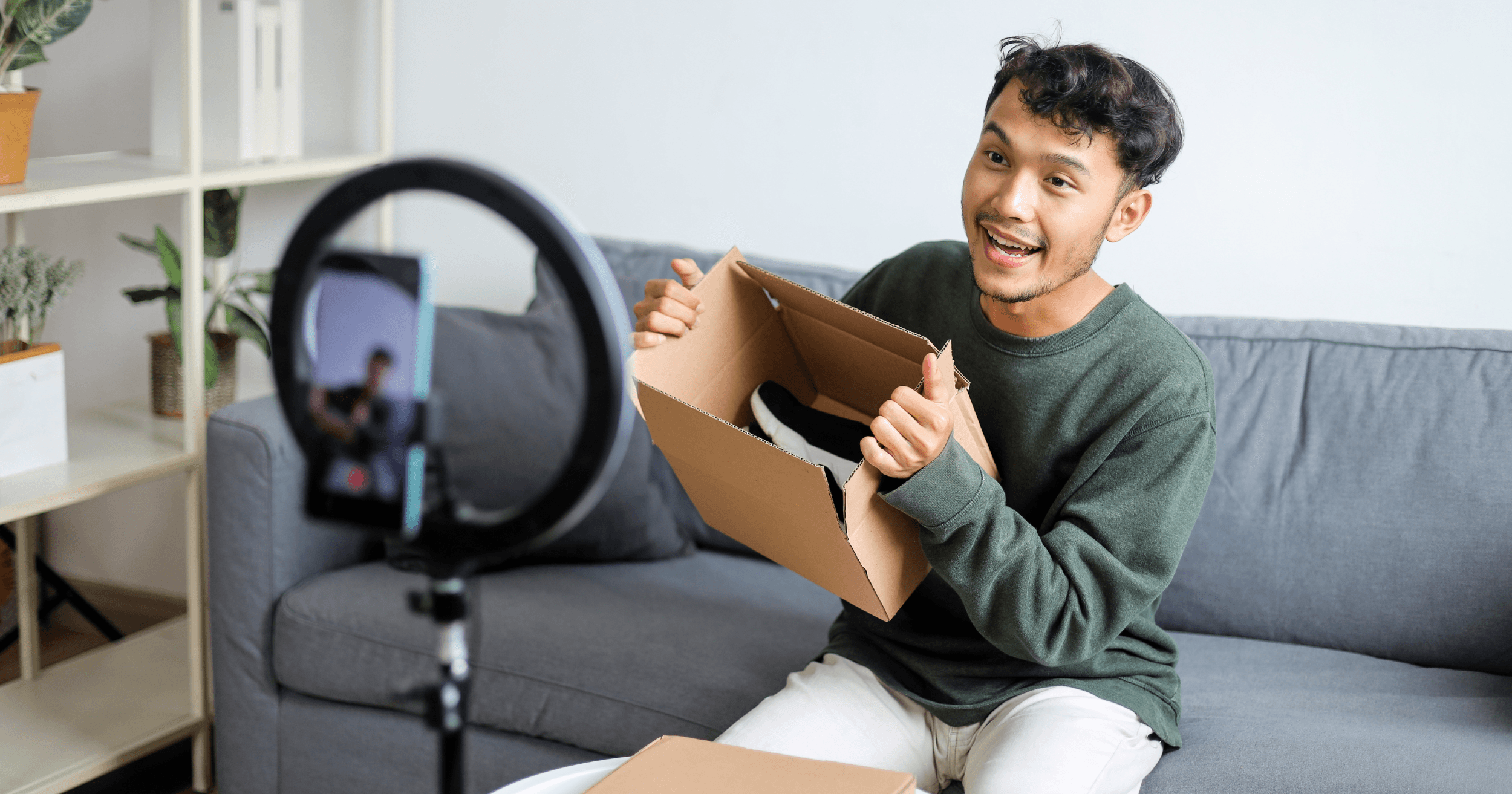
Not all influencers deliver the same business impact, and understanding the local landscape is critical before committing your marketing budget.
In Malaysia, influencers are commonly categorised by follower size:
Nano (1,000–10,000 followers): Strong community trust, highly personal engagement
Micro (10,000–50,000 followers): Balanced reach and engagement, often ideal for SMEs
Mid-tier (50,000–250,000 followers): Good for awareness campaigns
Macro/Celebrity (250,000+ followers): Broad reach but higher costs
For most small and medium businesses, micro influencers often provide the best return on investment. Their audiences tend to be niche and geographically concentrated. A 20,000-follower Klang Valley café reviewer can drive more foot traffic to a Damansara outlet than a 400,000-follower lifestyle influencer with a nationwide audience.
Platform choice also matters. TikTok is powerful for discovery and fast exposure. Instagram remains strong for retail, beauty, and visually appealing F&B brands. XiaoHongShu is influential among Mandarin-speaking beauty and lifestyle consumers. Facebook continues to perform well for community-based services and slightly older demographics.
Beyond follower size, pay attention to audience alignment. An upscale Mont Kiara brunch café targeting professionals should avoid partnering with a budget street-food reviewer. Misalignment confuses positioning and attracts the wrong customers, which can hurt long-term brand equity.
Influencer marketing is not just about exposure. It is about reaching the right exposure.
How to Choose the Right Influencer for Your Brand (A Practical Framework)
Before reaching out to any influencer, clarify your objective. Are you driving immediate sales? Launching a new product? Filling off-peak hours? Increasing brand awareness among a specific demographic?
A café launching a limited-time matcha series during exam season may want to target university students. A premium hair salon introducing a new scalp treatment may focus on working professionals aged 25–40.
Once the goal is defined, structure the collaboration strategically:
Define clear deliverables (e.g. one TikTok video, two Instagram stories)
Create a campaign-specific promo code
Set a fixed campaign period
Agree on messaging points and brand tone
This transforms influencer marketing from vague exposure into measurable marketing.
Tracking performance is where many SMEs fall short. Instead of judging success based on likes or views, measure actual outcomes. How many redemptions were generated? Did sales increase during the campaign week? How many new customers returned?
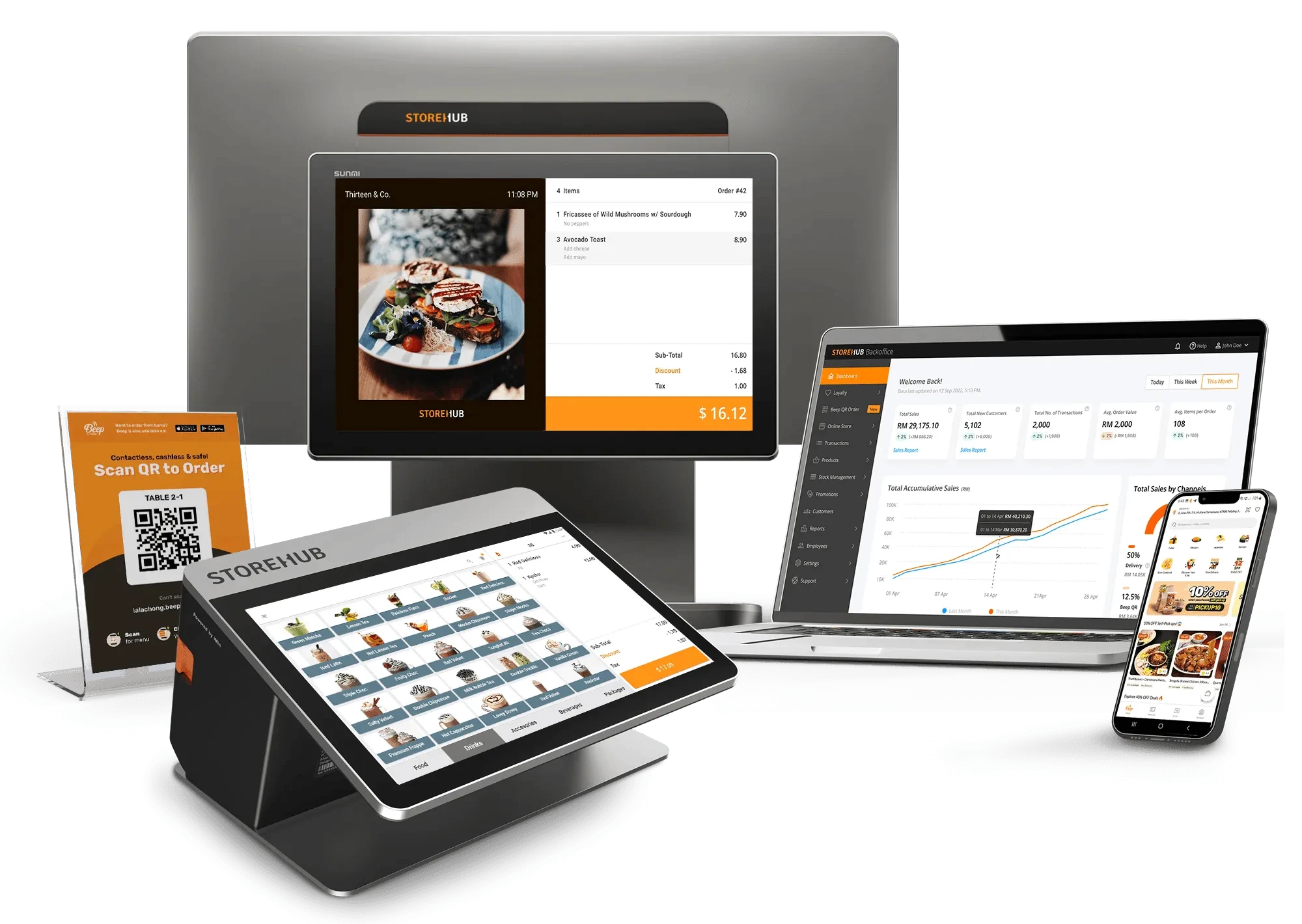
Using a POS system like StoreHub allows you to create specific promotion codes and track redemption volume accurately. When combined with StoreHub Loyalty, you can immediately enrol new customers into a rewards programme, encouraging repeat visits after the initial influencer-driven trial.
This is where profitability happens, not at the point of exposure, but at the point of retention.
Common Influencer Marketing Mistakes Malaysian Businesses Should Avoid
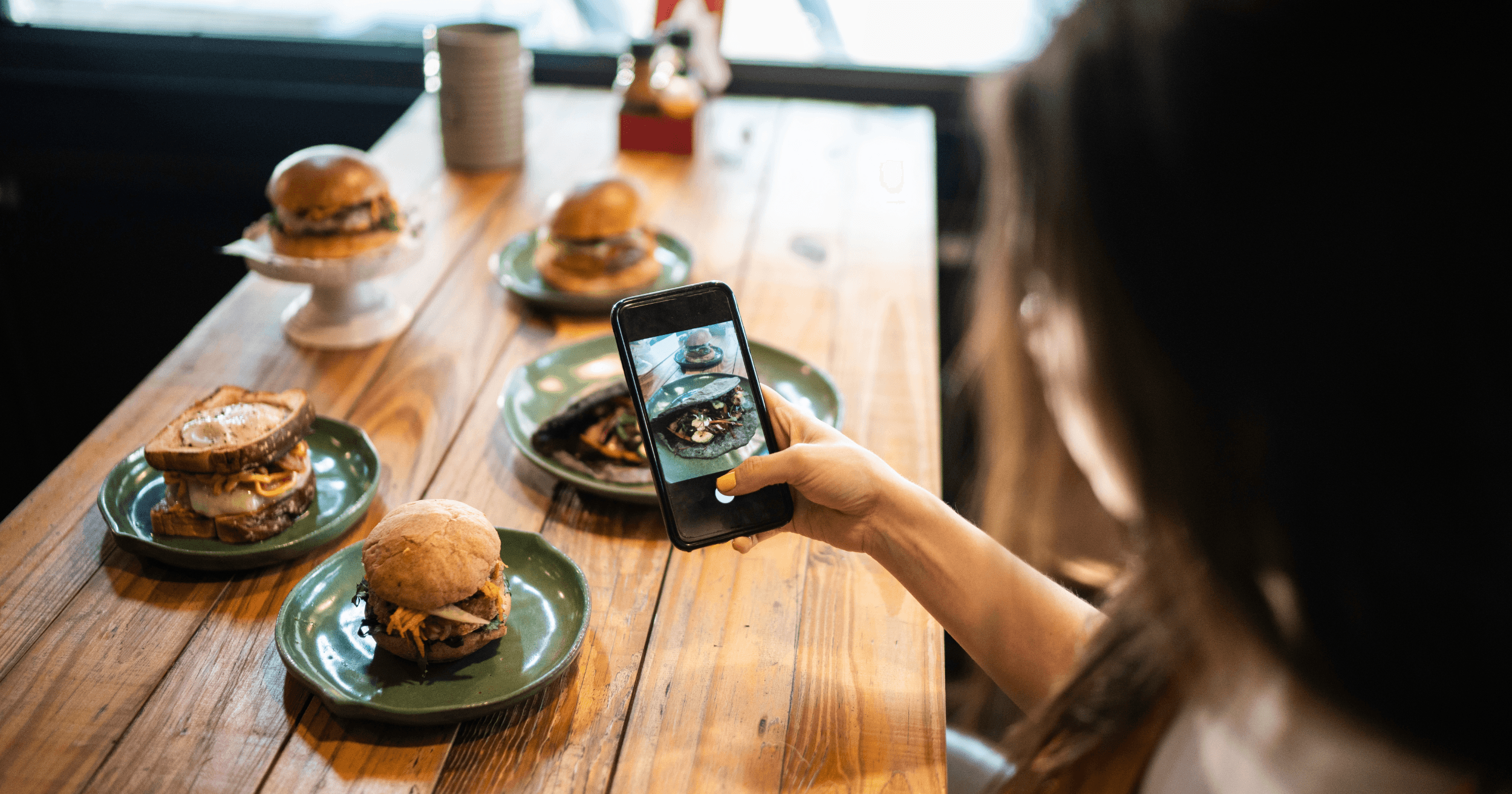
Even though influencer marketing is popular, execution mistakes are common among SMEs.
One major error is prioritising follower count over audience fit. A large audience does not automatically translate to relevant customers. Engagement quality and demographic match matter more than raw numbers.
Another mistake is failing to calculate margins. If your average transaction value is RM30 and you give away 60 complimentary meals without a strategy to convert those customers into repeat visitors, you may spend more than you gain.
Businesses also underestimate the importance of continuity. A single post rarely changes long-term customer behaviour. Building ongoing relationships with selected KOLs often produces stronger cumulative results than sporadic collaborations with many different influencers.
Finally, many brands neglect data. Without tracking systems in place, you are relying on guesswork. Influencer marketing should be treated with the same discipline as any other marketing investment: measured, reviewed, and optimised.
When approached strategically, even a modest RM1,000 campaign can outperform a poorly structured RM10,000 one.
Frequently Asked Questions (FAQs)
What is influencer marketing in Malaysia?
Influencer marketing in Malaysia involves brands collaborating with social media personalities, often referred to as KOLs, to promote products or services to their followers on platforms such as TikTok, Instagram, XiaoHongShu, and Facebook.
What is the difference between a KOL and an influencer?
“KOL” stands for Key Opinion Leader and is commonly used in Malaysia and across Asia. While both KOLs and influencers create content that affects purchasing decisions, KOLs are often perceived as having niche authority or specialised expertise.
How much does influencer marketing cost in Malaysia?
Costs vary depending on audience size and deliverables. Nano influencers may charge RM200–RM800 per post, micro influencers RM800–RM3,000, mid-tier influencers RM3,000–RM10,000+, and macro or celebrity influencers significantly more. Pricing depends on platform, exclusivity, and content rights.
Are micro influencers better for small businesses?
In many cases, yes. Micro influencers tend to have stronger engagement rates and more localised audiences, making them suitable for SMEs targeting specific communities.
How can I measure ROI from influencer marketing?
Measure tangible business outcomes such as promo code redemptions, sales during the campaign period, new customer registrations, and repeat visit rates. A POS system with detailed reporting helps ensure accurate performance tracking.
Which social media platform works best for influencer marketing in Malaysia?
The best platform depends on your industry and target audience. F&B brands often perform well on TikTok and Instagram, beauty brands on Instagram and XiaoHongShu, while service-based businesses may see strong results on TikTok and Facebook.