Starting a business in F&B or retail is exciting, but one of the first challenges you’ll face is setting the right prices.
Too high and customers walk away.
Too low and you eat into your margins.
Price setting goes beyond just covering costs. It’s also about balancing value, competition, and customer expectations, all while leaving enough room for profit. Whether you’re crafting a café menu or stocking shelves in a retail store, the principles remain the same: your pricing must make sense for both your business and your customers.
The Basics of Price Setting for F&B and Retail
For an F&B business, prices are shaped around the menu.
A café owner in Quezon City, for instance, doesn’t just price a latte by calculating the cost of beans and milk. They also factor in rent (say, ₱80,000 for a small café in Tomas Morato), utilities, staff salaries, and even consumables like takeaway cups. Menu planning becomes critical: you can’t simply copy the café down the street without knowing your own costs. A latte priced at ₱180 in one area may not make sense if your rent is double theirs.
In retail, the principle is similar but expressed differently.
A small boutique in Makati that sources dresses from Bangkok may spend ₱900 on each piece, add ₱200 for shipping and duties, and target a mark-up of 2.5x, pricing them at around ₱2,750. But product planning means thinking beyond mark-ups: if the dresses take months to sell, storage costs and lost cash flow eat into profits.
You could have the trendiest items on your racks, but if they’re priced without proper planning, they’ll either sit unsold or sell out too cheaply to sustain your business.
Key Factors That Influence Pricing Decisions

The first and most obvious factor is cost. A restaurant sourcing imported wagyu beef at ₱1,200 per kilo will have very different pricing considerations compared to a tapsilog carinderia spending only ₱60 on ingredients per plate. For the wagyu burger, the menu price may need to be ₱350–₱400 just to make it viable, whereas the tapsilog can be priced at ₱120 and still generate healthy margins.
In retail, costs extend to warehousing, supplier terms, and even seasonal risks: holiday stock that doesn’t sell quickly may have to be heavily discounted after Christmas or New Year sales.
Competition is the next challenge. If you’re a new milk tea shop opening in Taft Avenue, you’re competing against multiple established chains within a few blocks. Matching the ₱120 price point of popular brands might work, but undercutting at ₱80 could make customers assume your drinks are lower quality.
Retailers face the same balancing act. A branded sports shoe may sell at ₱4,500 at an international chain, but a lesser-known store charging ₱5,000 for a similar product will struggle without the same brand equity.
Finally, value perception can make or break your pricing. A parent at a pet store may willingly pay ₱1,500 for a 10kg bag of kibble because it’s easier to bring home immediately compared to ordering online and waiting for delivery.
Similarly, diners in BGC may spend ₱500 on a beautifully plated brunch, but hesitate over a ₱100 tapsilog at a roadside eatery if the experience doesn’t match the price tag. Customers aren’t just buying the item. They’re buying convenience, ambience, and trust.
Simple Pricing Strategies That Work
For new business owners, straightforward strategies help you stay grounded.
Cost-plus pricing is the most basic: add up all your costs and include a mark-up. A bakery in Quezon City selling ensaymada at ₱65 may have calculated ₱40 for butter, cheese, and flour, ₱15 for labor, and ₱10 for utilities, before applying a 30% margin. This ensures costs are covered but doesn’t always capture what customers are willing to pay.
That’s where value-based pricing comes in. A café in BGC known for hand-poured single-origin beans from Benguet can charge ₱180 per cup because customers associate it with quality and exclusivity. In retail, a boutique in Makati that stocks only locally made, handwoven abaca bags may set a higher price point because of craftsmanship and scarcity.
Bundling and upselling are also effective.
A burger joint might offer a combo meal (burger, fries, and drink) for ₱250 instead of ₱300 if bought separately. Customers feel they’re getting better value while the restaurant increases average ticket size. In retail, pairing a pair of shoes with a discounted backpack encourages a bigger basket spend.
Even small psychological tactics, ₱99 instead of ₱100, make customers feel they’re spending less, even when the difference is negligible.
How a POS System Simplifies Price Setting
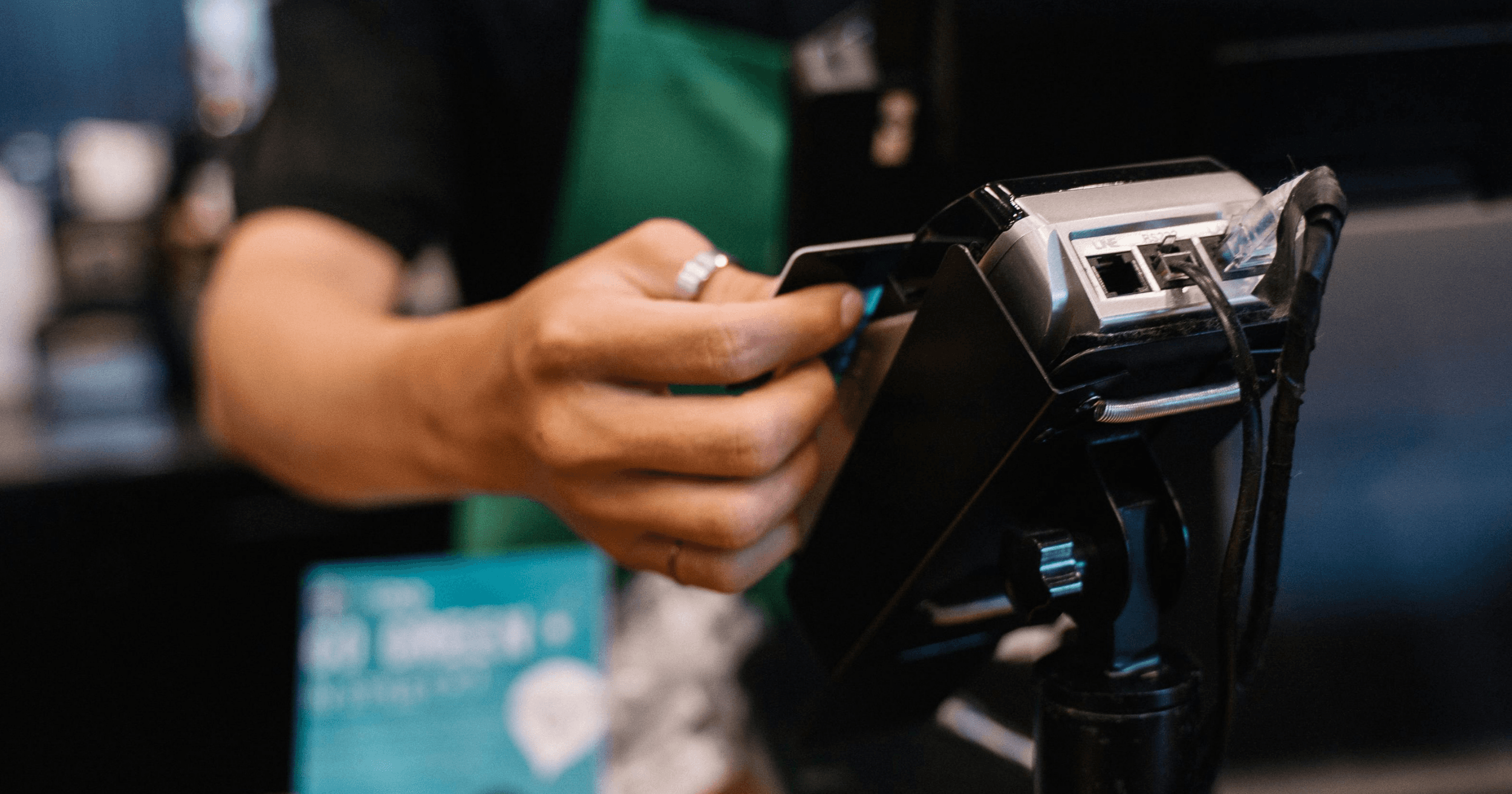
Pricing isn’t a one-time task. It needs regular adjustments. A POS system provides the data to back your decisions, replacing guesswork with evidence.
Take an F&B example: a burger shop in Quezon City notices from its POS sales report that its ₱150 chicken burger sells 40% more on weekdays, while the ₱350 wagyu burger peaks only on weekends. With this insight, the owner can create weekday lunch promos around the chicken burger and position the wagyu as a weekend indulgence.
In retail, a sneaker shop might see through POS data that premium sneakers above ₱4,000 sell better in Metro Manila, while sandals under ₱1,200 dominate in Cebu. Instead of overstocking the wrong items in the wrong places, the owner can plan inventory and pricing for each location.
POS systems also streamline promotions and loyalty programs. For instance, offering cashback or automated discounts is easier when the system applies it seamlessly at checkout. And with the Bureau of Internal Revenue (BIR) requiring POS systems to be accredited, using one ensures that your business stays compliant while avoiding unnecessary manual paperwork.
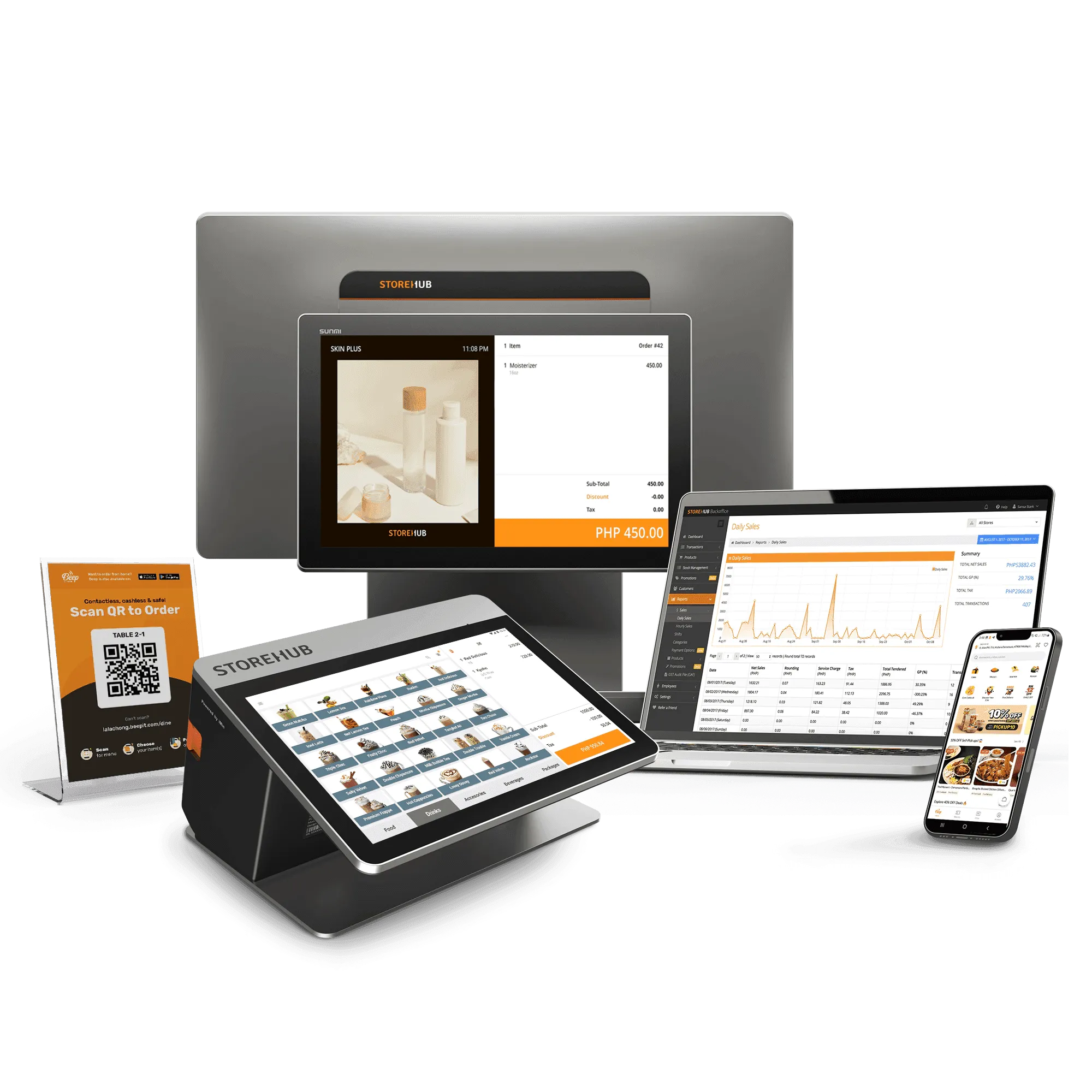
By integrating data, automation, and compliance, a POS system like StoreHub turns pricing from a guessing game into a strategy. You don’t just set prices. You refine them continuously based on actual customer behavior.
Final Thoughts
For new F&B and retail owners, price setting often feels like one of the hardest early challenges.
It's about balancing costs, competition, and how customers see value. Pricing will never be perfect at the start, but with the right mix of menu planning, product planning, and strategy, you can adjust as you grow. And with a POS system to provide real-time insights and automate compliance, you’re shaping a profitable path forward.