At a Glance: |
|---|
Online ordering is no longer optional for F&B businesses. It's essential. But choosing between a 1st party or 3rd party system can make a big difference to your margins and customer relationships. This guide breaks down how online food ordering systems work, the pros and cons of each approach, and how a POS-integrated solution like StoreHub's Beep delivery platform can set your restaurant up for long-term profitability. |
Food delivery or food ordering systems have never been the same, especially after the pandemic.
It has grown significantly and has become a crucial part of every F&B business' everyday operations.
Therefore, it's essential that restaurants still have an online ordering system in place to reach a wider range of customers!
So you may be wondering what is an online ordering system, why it's important, and what the costs are to set up a system that’s right for your business. Well, fret not because we've listed out everything you need to know:
Brief overview of online food ordering systems
1st party vs. 3rd party
Choosing the right path to success
Costs of online ordering systems
1. Brief overview of online food ordering systems
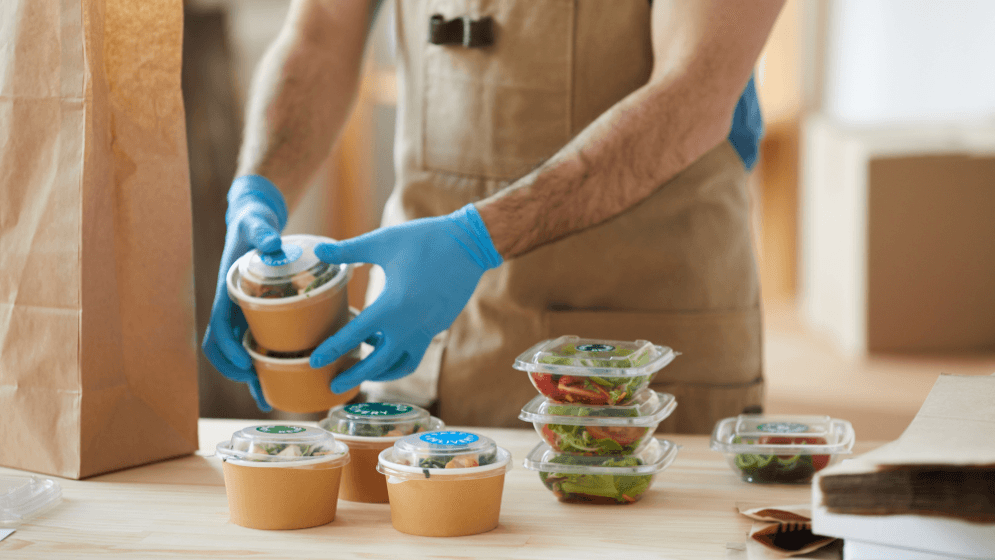
An online food ordering system allows F&B businesses to take orders and accept payments from customers via a website or mobile app.
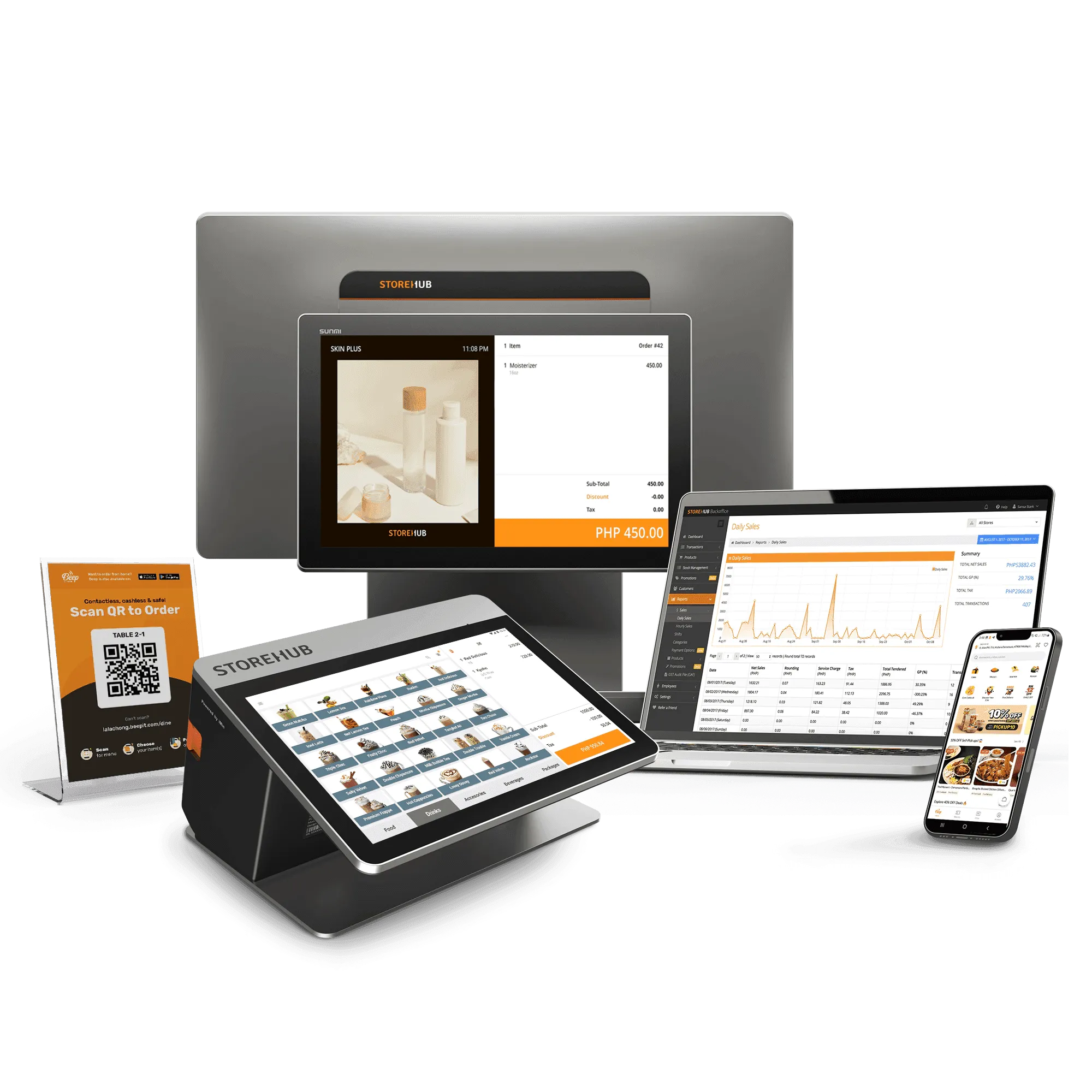
Examples of such systems include the ones offered by fast-growing food delivery platforms like Beep by StoreHub.
In general, the core benefits of online ordering systems are as follows:
Expand customer reach and revenue
Help streamline business operations to save on unnecessary costs
Easier order tracking
Monitor customer and sales data
Build brand loyalty quicker
2. 1st party vs. 3rd party

There are 2 main types of online food ordering systems - 1st party system and 3rd party system.
A 1st party/in-house online ordering system is used by F&B businesses that don't want to rely on external vendors to facilitate orders and transactions. The best ones are usually integrated with the restaurant’s own POS system.
Alternatively, a 3rd party online ordering system enables the restaurant or café to rely on someone else to handle food orders for them in addition to a network of other merchant partners.
Each type has their own set of pros and cons:
1st Party Online Ordering System (POS integrated) | |
Advantages | Disadvantages |
|
|
|
|
|
|
Table 1: Advantages and disadvantages of 1st party online ordering systems
3rd Party Online Ordering System | |
Advantages | Disadvantages |
|
|
|
|
|
|
|
|
Table 2: Advantages and disadvantages of 3rd party online ordering systems
3. Choosing the right path to success
Opting for a 3rd party system is probably your best bet to get your name out there and overcome the initial hardships typically faced by smaller, newer businesses.
Look into adopting a POS integrated online ordering system, like StoreHub, as it offers a more sustainable business model.
If you’re currently on a 3rd party system and now want to use a 1st party one, you need to make sure that you communicate this to your customers once you’ve made the transition.
You can entice them to make orders from your integrated system by creating a loyalty program or offering a discount code.
Implementing such strategies will lead your F&B business down the road of long term profitability.
However, the best approach is to conduct a detailed cash flow analysis of your business to determine the best strategy moving forward.
4. Costs of online ordering systems

It is difficult to pinpoint which type and brand of system is right for you.
Since food delivery should be treated as a long-term investment, it’s important to take your time when reading up on the costs you’re expected to incur if you choose to implement a particular system.
Digital delivery is here to stay
In conclusion, it’s virtually impossible to predict the future of the pandemic and the various profound effects it poses on consumer behavior.
But one thing’s for certain: our reliance on digital technologies will continue to dictate the operating models of F&B businesses in the many years to come.
Hence why it's important to consider the right online ordering systems to navigate your business through these uncertain times.
Frequently Asked Questions (FAQs)
What is an online food ordering system?
It's a platform that allows F&B businesses to accept orders and payments from customers via a website or mobile app. It helps expand customer reach, streamline operations, and build brand loyalty.
What's the difference between a 1st party and 3rd party online ordering system?
A 1st party system is owned and managed by the restaurant, often integrated with their POS. A 3rd party system relies on external platforms like food delivery apps to handle orders. First party systems offer higher margins and full customer data access, while third party systems provide broader exposure but come with commission fees and less brand control.
Which online ordering system is better for my restaurant?
It depends on your stage of growth. Third party platforms are great for building initial visibility, while a POS-integrated first party system like StoreHub is more sustainable long-term, giving you full control over your data, menu, and customer relationships.
How can I transition customers from a 3rd party to a 1st party ordering system?
Communicate the change clearly to your customers and incentivize them to switch with loyalty programs or exclusive discount codes. This helps retain existing customers while improving your profit margins over time.
Is food delivery a long-term investment for F&B businesses?
Absolutely. Consumer reliance on digital ordering continues to grow, making an online ordering system a crucial part of any F&B business model. Choosing the right system early can significantly impact your long-term profitability and operational efficiency.