Hiring new staff is exciting, but it can also be risky. You’re not just filling a role—you’re shaping how your team will perform, how your customers will be treated, and how smoothly your business runs.
Many F&B and retail owners in the Philippines make the same mistake: they focus on getting “bodies in the door” but don’t have a proper plan for onboarding. The result? Confused employees, unhappy customers, and higher turnover.
On the flip side, when staff onboarding is done right, it sets a strong foundation. Employees learn faster, feel valued, and start contributing to your business goals instead of slowing things down.
Whether you’re running a café in Quezon City or a boutique in Marikina City, investing in proper onboarding is one of the smartest moves you can make for long-term success.
Why Your Staff’s First Month Can Make or Break Your Business
The first month is when your new hire forms their impression of your business—and when customers form theirs through the staff’s performance.
Take a café in Quezon City. A new waiter is hired just before the weekend rush but gets little guidance. During peak hours, they confuse orders, leave tables unattended, and frustrate customers who never return.
Now imagine the same café but with a structured onboarding plan. By the second week, the waiter knows the menu, can recommend add-ons, and manages their section with confidence. Customers leave satisfied and even come back the next weekend.
Retail tells the same story. A clothing shop in Makati hires a new cashier who isn’t trained on processing exchanges. When a customer tries to return an item, the process gets messy and delays everyone in line. In contrast, another shop takes the time to train their cashier on the POS system, ensuring transactions—exchanges included—go smoothly.
Your employee’s first month shapes whether they become a long-term asset or a short-term liability.
Building a Smooth Staff Onboarding Process

Onboarding doesn’t need to be complex, but it must be structured.
Start with clear expectations. A new waiter should know exactly which tables they handle, when to serve water, and who to call for help. A new cashier should learn not just how to scan items but also how to process exchanges, discounts, and loyalty rewards.
Next, use shadowing opportunities. A new barista shadowing a senior staff member during the morning rush learns how to juggle orders under pressure. A retail assistant shadowing during a weekend sale sees first-hand how to handle impatient customers and long queues.
Finally, set up onboarding checklists. This could cover everything from safety protocols in the kitchen to opening and closing tasks in a shop. A checklist prevents mistakes like forgetting to lock the till or mishandling food hygiene standards.
Structured processes mean fewer errors and faster learning, which pays off in better service and smoother operations.
Tools That Simplify Employee Management
Even the best onboarding plan can collapse without the right tools. Technology makes staff management easier—and your POS system can play a huge role here.
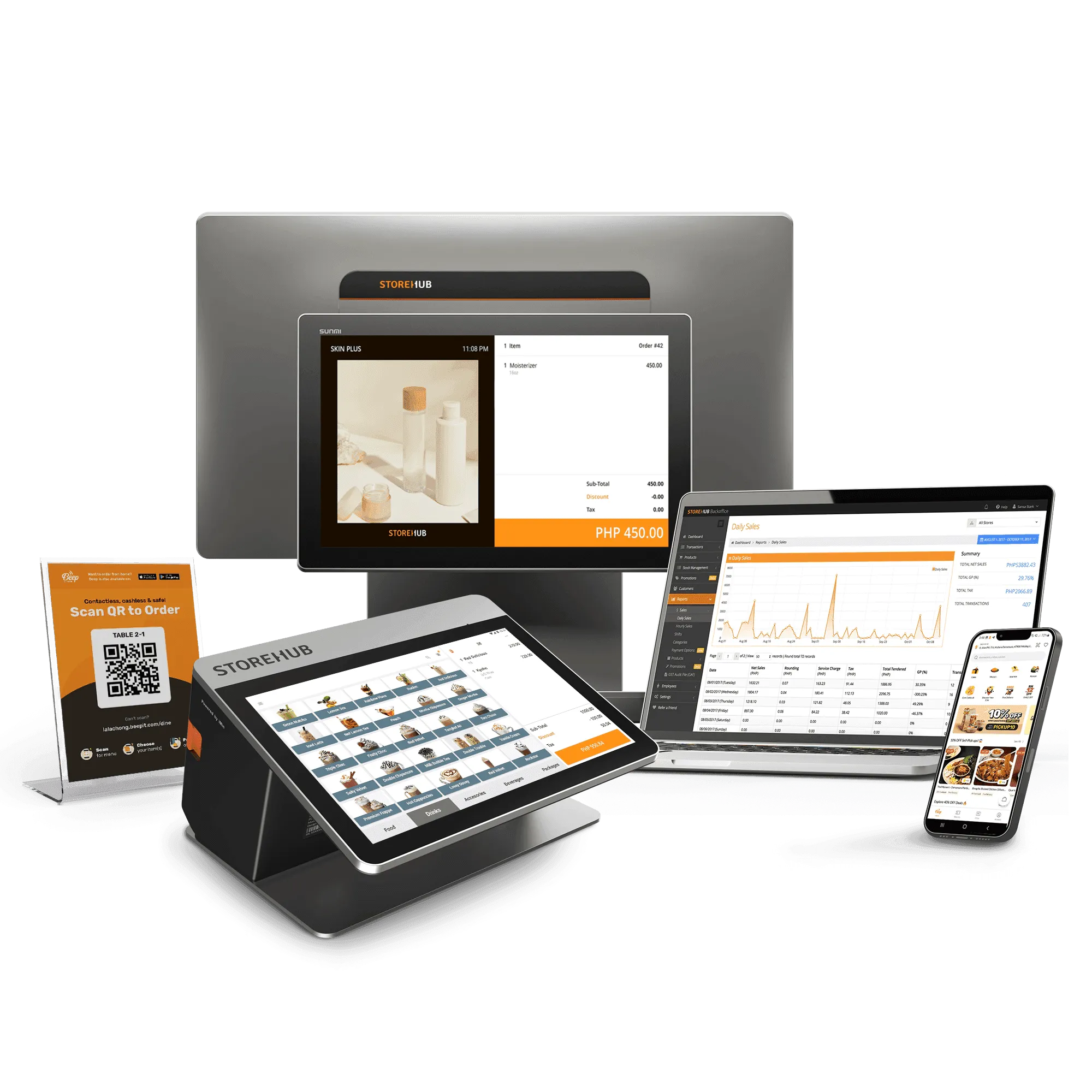
In F&B, a POS system tracks attendance, roles, and performance. For example, managers can see which waiter consistently sells the most desserts or which cashier is prone to checkout errors. With StoreHub, this data is easy to access, allowing targeted training where it’s needed most.
In retail, a POS system lets you assign tasks, record shift hours, and even monitor sales per staff member. Instead of relying on memory, you get concrete numbers. If one sales assistant is better at upselling loyalty memberships, you can use that insight to train others.
StoreHub’s POS system also streamlines daily staff routines—like clocking in, tracking shifts, or monitoring training progress—without adding extra admin work for managers.
Retaining Employees Through Continuous Development

Onboarding doesn’t end after the first week—it sets the tone for ongoing development. Employees who feel they’re learning and growing are more likely to stay.
In F&B, short weekly sessions can teach staff new skills like upselling set meals or suggesting coffee pairings. These not only increase revenue but also give staff more confidence.
In retail, development might mean training assistants to handle inventory counts or manage online sales. A cashier who expands into stock management becomes a stronger asset to the business.
Feedback loops are key too. A quick monthly check-in helps identify problems—like staff who feel overwhelmed during festive seasons or who struggle with using the POS system. Pairing new hires with experienced staff as mentors creates a support system and builds loyalty.
Employees who see a path to growth are more motivated, stay longer, and perform better.
Final Thoughts
Employee onboarding isn’t just paperwork and introductions. It’s a business strategy that reduces turnover, improves customer service, and builds a stronger team.
For Philippine SMEs in F&B and retail, your staff are the face of your business. The way you onboard them affects everything from customer loyalty to daily efficiency.
Investing in your employees from day one is the fastest way to turn them from “new hire” to a key part of your business.