At a Glance: |
|---|
The right pricing strategy can make or break your F&B business in the Philippines. From researching competitor pricing and creating menu value to using psychological tricks like removing currency signs and the rule of three, this guide covers nine practical strategies to boost your restaurant's profits. Pair these tips with a smart POS system like StoreHub to track sales, monitor costs, and keep optimizing your operations. |
Calling all Filipino F&B business owners! Did you know that getting the right pricing strategy is the key to long-term success of your Food and beverages business?
However, it is not the easiest thing to get right.
You have to get the right balance of covering all the operational costs whilst also not scaring customers away with high prices.
Your pricing strategy is crucial in determining:
how many customers dine and order from your restaurant
the type of people who visit
how often they visit
if customers continue to come back
how much profit does your F&B business makes
With that said, having the right pricing strategy will easily increase your F&B business profits!
Not sure where to start?
Fear not, as we've compiled our top pricing tips and tricks that are guaranteed to increase your restaurant’s profits in the Philippines!
1. Identify your competitor's pricing
It’s always recommended to do some research into your competitor's menu pricing strategies to better understand the average market price for menu items.
The best way to do this is to:
Gather 6-8 different menus from restaurants within your market in the Philippines.
Identify any overlapping items.
For these similar menu items, note down all the different prices (paying close attention to the highest and lowest prices) and then calculate the average price.
Now that you’ve gotten the average price, you can decide whether you want to price your item higher, lower or at the average price itself.
Do you want to be known as the cheapest option amongst your competitors?
Or do you want to be known as the most expensive, but provides the best quality dishes?
When making this decision, remember to take into account your brand image, operational costs and target customer base.
After all, you don’t want to lose money or scare customers away!
2. Give your customers value

Listen up! A good way to increase your profits is by creating value that goes beyond price.
But, what does 'value' really mean?
In simple terms, value is created when you deliver on things that exceed beyond customers expectations.
For example, remembering a loyal customer's favorite order.
If your value is seen as high, you can easily get away with charging slightly higher prices. Customers won’t mind paying a little extra for a good dining experience.
Here are a few examples of things you can implement to drive up your value:
Excellent customer service
Fancy restaurant atmosphere
Insta-worthy food presentation
Use quality ingredients
Live music playing
Build a customer loyalty program
Manage your restaurant's reputation
Follow these few examples and you're on your way to increase your restaurant's profits in the Philippines!
3. Revamp some of your dishes
Another good way to increase profits is by introducing different variations of the same dish.
You can easily do this by adding a few ingredients to create a special twist to your existing dishes.
This new variation can be named something unique to attract your customers' attention and be priced a little higher.
For example, you can transform your regular Adobo dish into a sandwich and charge more for providing a speciality dish named ‘House Special Adobo Sandwich.'
Many restaurants use this strategy with the intent of combining multiple low-priced ingredients and charging a slightly premium price, which will result in an increase in profits.
4. Include 'Chef Special' Items
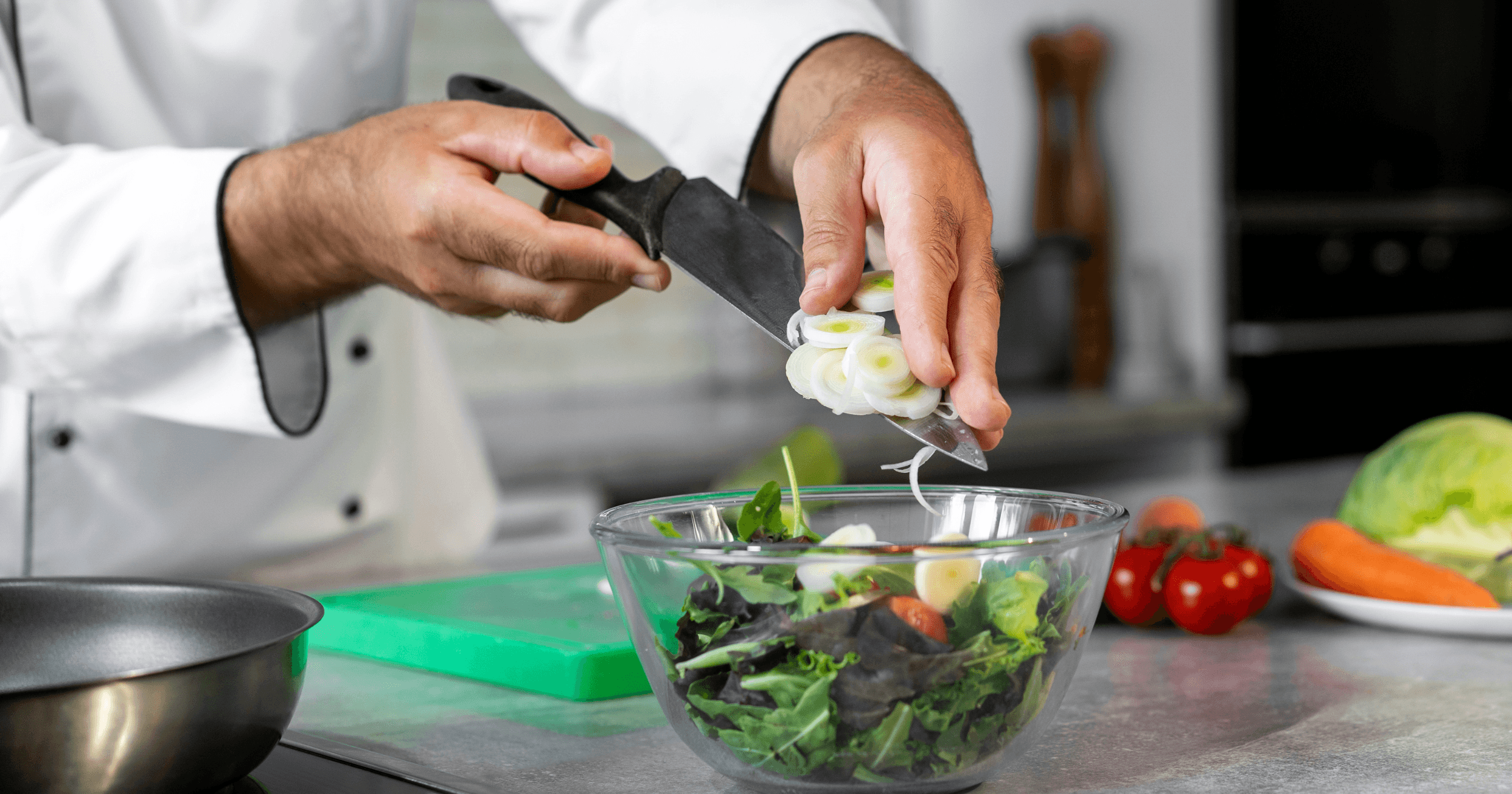
Following on from the previous point, you can include a ‘chef special’ item in each menu category.
Customers love having something exclusive and unique when they’re dining out. A special item will quickly catch their attention, and you can easily make more money from these items.
For example, if you have a "local favorites" section in your menu, you can transform the highest profit dish and name it ‘Chef’s Special Philippine Adobo’ or include 'Chef's Recommendation' behind the name of the dish.
You can then continue doing this for every section of the menu.
By doing this, you can promote the menu items in each category, charge a premium price for these dishes and make more profit from it.
How amazing is that?
5. Avoid putting the currency on menu prices
Did you know that the most popular pricing trick for restaurants consists of removing the currency sign next to the price?
Having a currency sign has been proven to indirectly make customers conscious about how much they are spending, which may discourage customers from ordering.
By simply removing the currency sign (PHP350 = 350), it subtly tricks people into forgetting about the price so they tend to order more!
How crazy is that?
It’s definitely worth a try.
6. Follow and understand the rule of three

Another popular way to encourage customers to spend more is by following the rule of three or should we say rule of tatlo? That has a good ring to it!
Jokes aside, this means offering 3 versions of the same dish.
Example:
The first option is the most simplified basic version of the menu item, for example, a simple tomato sauce pasta.
The second option offers the same dish, but with extra ingredients and toppings, such as mushroom, spinach, broccoli etc.
The third and last option would be the best version of the dish (and the most expensive of the three). This could include a protein, for example minced beef, chicken or shrimp.
This pricing strategy tricks customers into thinking that they are getting a deal with the third option.
They’ll look at the first two options and think the third one is the most valuable as you get everything if you pay just a little more.
After all, what’s an extra PHP100 if you’re getting more for your money, right?

7. Proper serving size
Proper portioning and pricing strategy plays a major role in at every restaurant in the Philippines.
You should ensure that your kitchen staff is trained to follow each recipe precisely to avoid over-portioning.
Most restaurants see their profits fall because of unnecessary food waste.
If customers are continuously not finishing their meals, you might want to consider reducing the portion sizes a little as it may be too much.
Another tip is to have different portions of the same dish on your menu.
For example, a regular or large option.
Even a small difference in price can make a huge difference in your profit margins.
8. Determine your target audience

It’s important to analyze and determine who your target market is before deciding on a proper pricing strategy.
You should think about the type of customers that you see visiting your store often.
Are they working people during their lunch break?
Young people hanging out with friends?
By identifying this group of people, you can easily find out their average spending habits and price your menu items accordingly.
For example: if your target market is the working-class group, you might want to include set menu prices to appeal to them.
9. Always use a complementary price strategy
Lastly, complementary pricing is an excellent pricing strategy to increase your F&B sales in the Philippines.
For example, a customer ordering a burger will probably want fries and a drink to go along with it.
There are two ways to do this:
1. Create combo/set meals
2. Offer small discounts on complimentary items e.g. “Add ons”, “side dishes."
With deals like this, you will see an increase in sales, which will also result in your profits increasing.
Final words of advice
There is no one-size-fits-all strategy to menu pricing.
There are so many factors to consider, such as the cuisine your F&B business is serving, your brand image, your target customers, operating costs etc.
At the end of the day, you should be continuously checking your sales and cost report to see where you can optimize your F&B operations.
Investing in the right POS system will provide you with accurate reports and analytics, giving you lots of insights into your business operations.
Without this, identifying areas for improvement or looking for where you may potentially be losing sales will be difficult.
Many F&B businesses in Metro Manila and Cebu are using a smart POS system, like StoreHub, to help manage and operate their business better.
It’s time to get yourself one too if you haven’t already!
Frequently Asked Questions (FAQs)
What pricing strategies work best for F&B businesses in the Philippines?
Top strategies include researching competitor pricing, offering chef specials, using the rule of three, creating combo meals, and removing currency signs from menus. The right mix depends on your target market, brand image, and operational costs.
How do I find the right price for my menu items?
Gather menus from six to eight competitors, identify overlapping items, and calculate the average price. From there, decide whether to price above, below, or at market average based on your brand positioning and target customers.
What is the rule of three in restaurant pricing?
It's a strategy where you offer three versions of the same dish at different price points. Customers tend to gravitate toward the most expensive option, perceiving it as the best value — boosting your average transaction value.
How can portion control affect my restaurant's profits?
Over-portioning leads to food waste and lower margins. Training kitchen staff to follow recipes precisely and offering different portion sizes at different price points can significantly improve profitability.
How can a POS system help with my restaurant's pricing strategy?
A POS system like StoreHub gives you real-time sales reports and analytics, helping you identify your best-selling items, track food costs, and spot areas where you may be losing revenue — making it easier to refine your pricing over time.