Tips & Tricks
At a Glance: |
|---|
For F&B businesses in the Philippines, labour and inventory can take up 50–70% of total sales, making cost control essential. By improving ingredient sourcing, reducing food waste, managing stock with FIFO, optimising menus and staffing, and sticking to a clear budget, restaurant owners can cut expenses without compromising food quality or customer experience. A POS system like StoreHub helps support this by streamlining stock tracking, reporting, and daily operations in one place. |
The Philippines restaurant industry has faced many challenges in 2020, particularly when it comes to high operating expenses.
Did you know that labour and inventory costs can take up 50-70% of your total restaurant sales?
Even if your sales are high, your profits may be low due to these high costs.
So it is very important that you keep these costs under control!
How?
Here are some of our top cost-cutting strategies that your F&B business can start using:
1. Reduce the cost of your ingredients
You can reduce food costs by developing a good relationship with your suppliers and negotiating for better deals.
When possible, make use of buying items in bulk, as it gets you better prices.
You can also use the food cost formula to identify if your food costs are too high compared to your menu prices.
Use this formula:
Food cost percentage = total cost of ingredients/menu item price
The food cost percentage will tell you how much you’re spending on ingredients compared to the price of each item on the menu.
Ideally, you should aim for the percentage to be between 15-30% because this means your gross revenue per item will be 70-85%.
If your food cost percentage is over 30%, this means you are spending too much.
In this case, to cut costs, you should either look for less expensive ingredients or increase your menu prices.
2. Reduce food waste
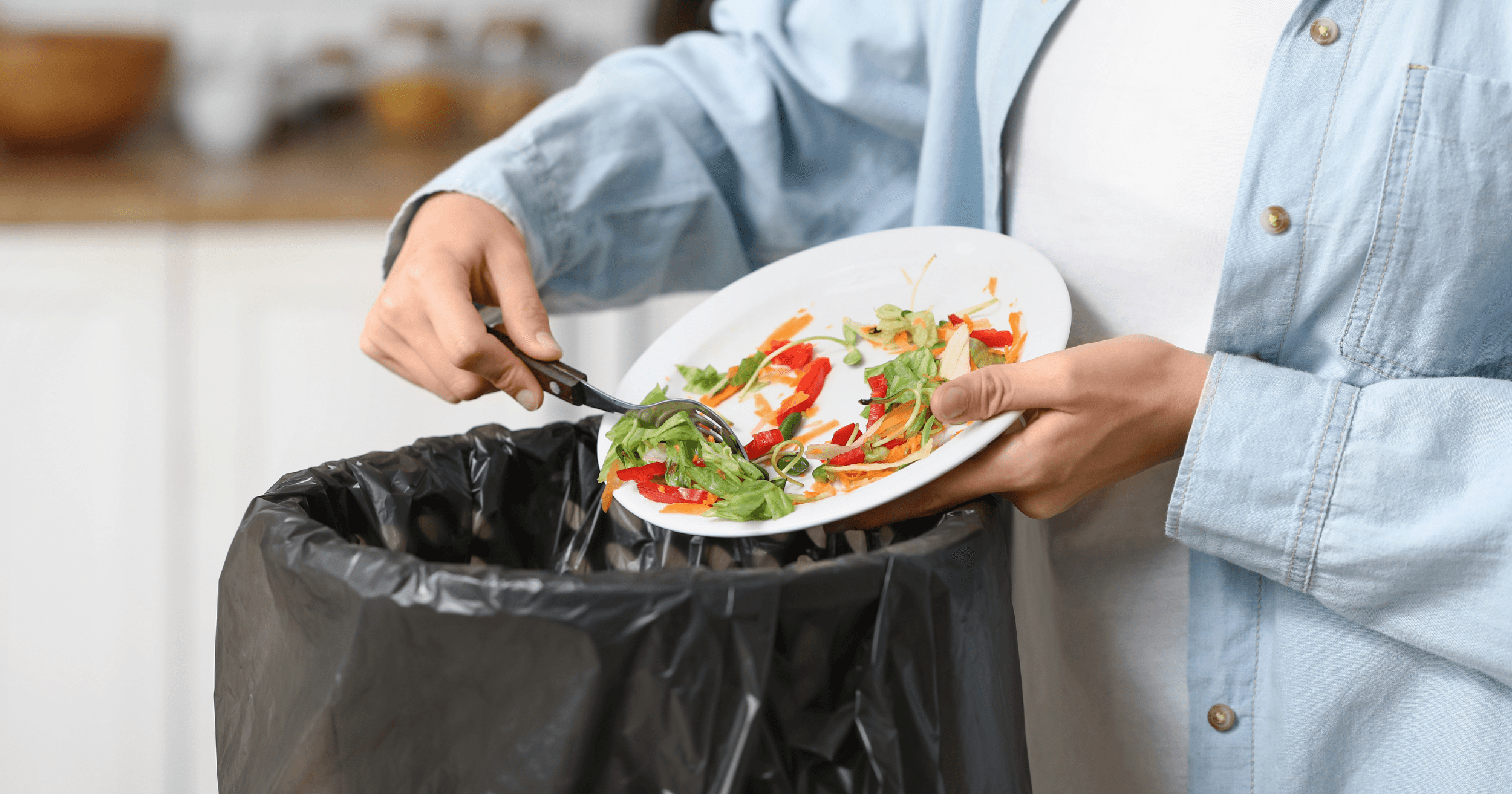
Did you know that Filipinos waste about 308,000 tons of rice every year?
In Metro Manila alone, an estimated 2,175 tons of food scraps end up in trash bins on a daily basis.
Guess where the majority of wasted food comes from?
Restaurants!
One of the key strategies that restaurant owners forget to consider when cutting costs is food waste.
This is often overlooked as we don’t realise that throwing away food is equivalent to throwing money away.
Here are some tips on reducing food waste:
Portion sizing – Are your customers finishing their food? If not, the portion size may be too big. Use portion control tools to serve reasonably sized portions to avoid leftovers.
Kitchen prep list – Have a kitchen prep list that tells the cook how much of each ingredient is needed to be prepared for each dish. Without this, cooks tend to over-prepare and this results in unnecessary food waste.
Reuse the ugly – Turn unusable food products into something else. For example, instead of throwing away stale bread, turn it into croutons, breadcrumbs, or bread pudding!
However, some by-products and food waste are unavoidable during the cooking process.
But there are still creative and innovative ways chefs can include these in their dishes:
Make homemade vegetable stock with vegetable scraps
Leftover herb stems can be infused into flavourful oils
Shred up leftover meat and use it in a soup or stew the next day
Turn any good but unpresentable green vegetables into a pesto dip
Use overripe fruits to make jam or jelly
Dehydrate orange or lemon peels and grind them to create fresh zest to top off any dish
Reducing food waste and making the most of your ingredients can make a huge difference in your restaurant’s profits!
3. Improve stock management with the ‘First In, First Out’ method
Have you heard of the ‘First In, First Out’ method?
The first in, first out (FIFO) method means using the first ingredients that you put into your fridge or pantry first.
Most food that’s thrown away and wasted is due to it being past its expiration date. Putting the older ingredients in front, this forces you to use them first.
Ultimately, it will ensure that your fridge and pantry are always stocked with fresh ingredients and will help save money by preventing foodfrom expiring without being used.
4. Review your menu offerings

Do you have too many things on your menu?
Having too many menu items can contribute significantly to high costs.
Perhaps it’s time to review the menu and reduce the items sold to include only the best-selling and most profitable ones.
One good way to reduce cost is by taking advantage of seasonal prod,uce as they can be bought at lower prices.
For example, seasonal Filipino fruits like bananas, chico, dalanghita, langka, etc.
Highlight seasonal items on the menu and mark up the price slightly by emphasising on the freshness and the limited availability due to season.
5. Reduce staff turnover rates
In the F&B industry, high turnover rates are a serious pain.
Staff leaving your restaurant means you will have to bear the extra cost of hiring and training new people.
It’s more cost-efficient if you can keep your current employees motivated and increase their productivity.
You could do this by rewarding high-performing staff through an “employee of the month” programme and giving them gift cards as a sign of appreciation.
Filipino business owners tend to find that treating staff like family can result in them being happier and more loyal.
Customers will also feel more welcomed if they sense friendlier service.
Aside from keeping employees from leaving, you should also increase staff productivity.
But why?
Let’s say 80% of your sales are during the peak hours in your restaurant; the amount of customers you serve during that period without reducing the quality of food and service is critical.
Your staff should be productive during these times so you can get the most out of what they are being paid for.
Here are some tips on improving staff productivity:
Cross-train staff – so they can perform multiple roles and help out wherever needed
Have better scheduling – minimise the number of staff during slow periods or close off parts of the restaurant if they are not in use
Job descriptions – everyone should be given job descriptions and expectations with clear and measurable performance indicators, so everyone knows what is expected of them to perform better
6. Encourage free user-generated social media content

When looking at your spending, review and cut ineffective marketing from your budget wherever possible, and make use of free publicity on social media.
In the Philippines, the trend of food photography and sharing photos of meals online is still ever so popular!
By presenting your meals in a way that makes it look good in photos (‘Instagrammable’), it encourages customers to share photos on their social media profiles.
Here are a few tips on food presentation:
Use texture and height – stack garnishes on top to create dimensions.
Get creative with sauces – instead of pouring the sauce all over the dish, drizzle it elegantly or draw dots along the side.
Use complementary colours – for example, red and green. You can place vegetables and meat next to each other to create a visual colour contrast.
You can also engage with customers on social media by holding small contests to share a photo of the food/restaurant in order to win a free side dish or drink as a prize.
7. Reduce your utility expenses
F&B expenses are costs of operations that the company incurs to generate revenue.
After all, it costs money to make money!
One of the main expenses F&B businesses incur is from utility costs. This refers to the usage of utilities such as:
Electricity
Water
Heating
Gas
Internet
Phone cable
Here is an approximation of how much utility expenses currently cost in the Philippines:
Water and electricity charges – roughly P5.860 per kWh
Wifi – Price typically starts at PHP 1,299 for a 5 Mbps plan and can go as high as PHP 2,899 for a 20-50 Mbps plan.
While you can’t always control your utility costs, there are cost-saving measures your small business can take to reduce your total utility bill:
Try to negotiate package deals – if possible, combine deals for your expenses together
Negotiate rates with your utility providers – if you’re a loyal customer and have been developing a good relationship with your utility provider (by paying previous bills on time), you could try negotiating for a lower rate.
Reduce your consumption – this could be through using energy-saving appliances, enforcing a rule to turn off the lights whenever the room is not in use, implementing water-saving practices, etc.
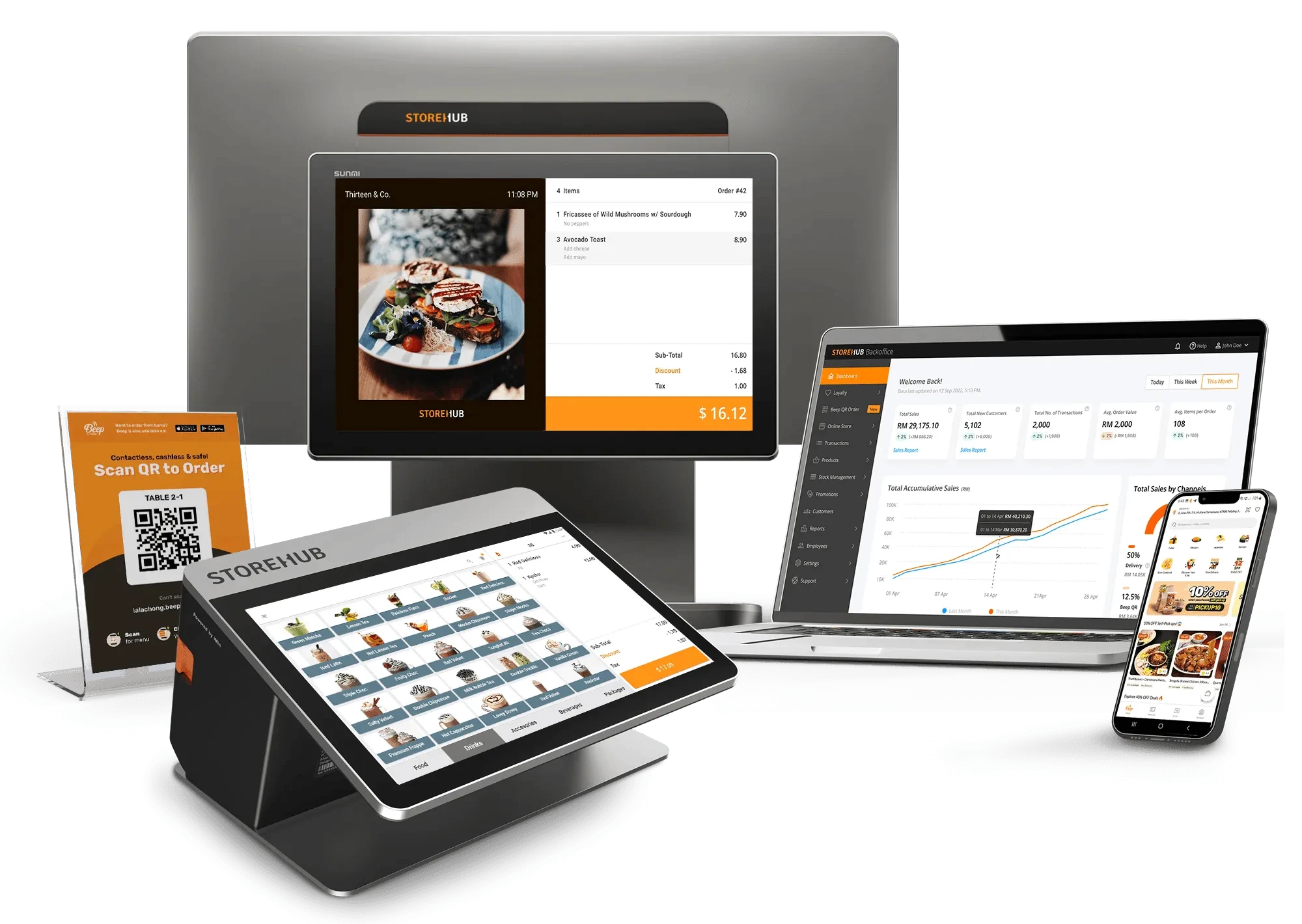
Use an all-in-one POS system like StoreHub – this helps to cut costs by combining all your operations into one system, instead of using many separate pieces of technological equipment for each process.
8. Have a proper stock management system
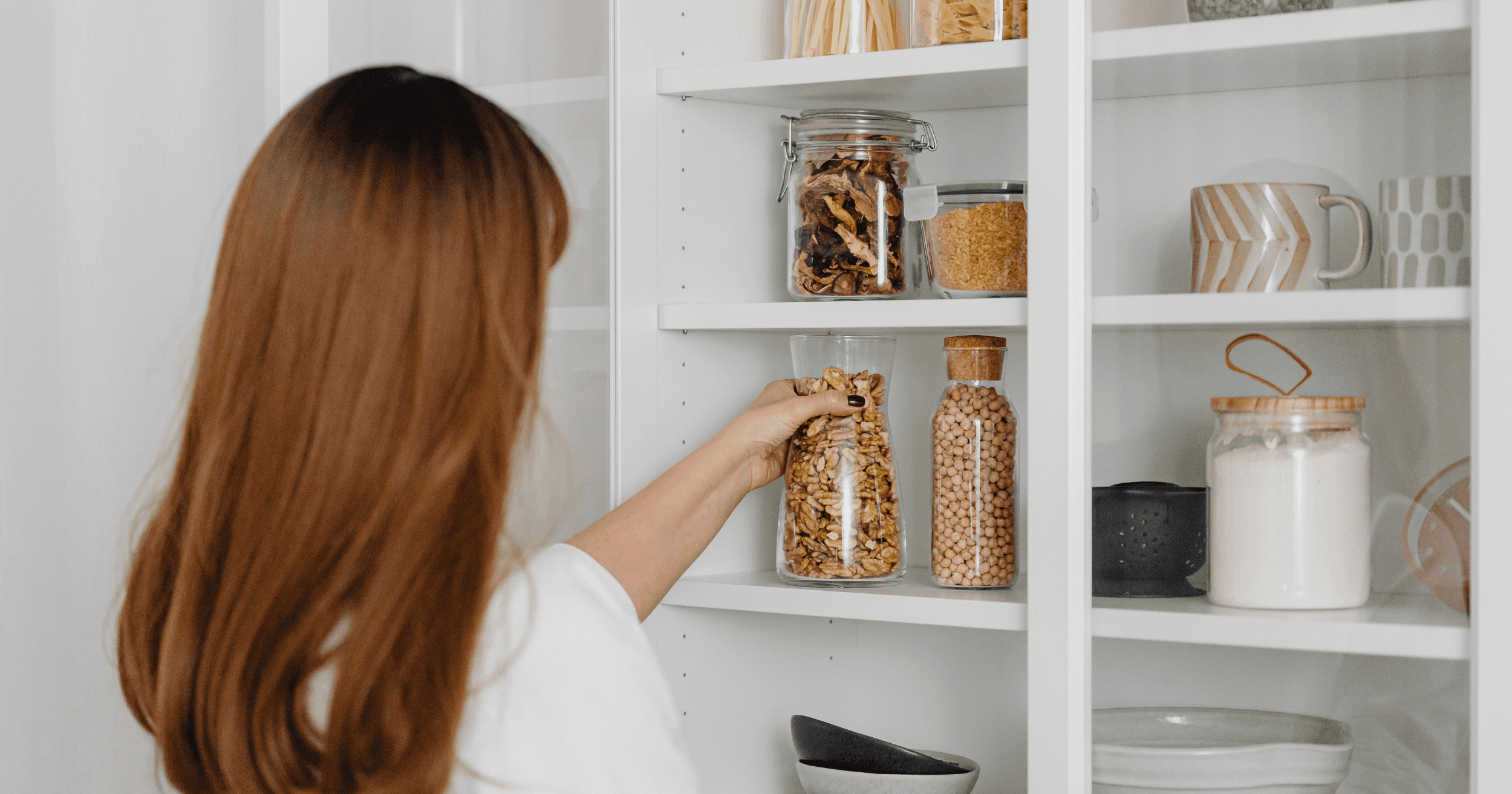
Proper stock management is a crucial factor in cost control.
You need to have a clear idea of what you’re spending on and how much you’re paying for them.
If you aren’t managing your stock effectively, you’re holding up a lot of extra stock which ties up a lot of cash.
There are many things to consider when it comes to stock:
Do you have the right products in stock?
How do you know when your stock levels are low?
Have you ever run out of stock and lost sales as a result?
Are you losing money due to an excess of stock?
9. Keep your restaurant budget in mind
Your restaurant’s budget is crucial in determining your financial limits.
Here’s a simple breakdown of things to consider when setting your budget:
1. Define your accounting period
Before you start budgeting, you need to define your accounting period.
An accounting period is the length of time covered by your company’s financial statements.
There are usually two periods that a restaurant uses: 12 month period or 13 periods of 4 weeks each.
2. Collect data
Once you’ve decided on your accounting period, you should take note of the main pieces of data you’ll be focusing on in your budget. This includes sales revenue, food and beverage costs, staff wages, rent, expenses, etc.
Here’s a breakdown of all the costs you’ll be needing to include in your budget:
Fixed costs – these are long-term costs that won’t change e.g., rent, insurance, and loan payments.
Semi-fixed costs – costs that are fixed but can vary every month e.g., salaries, utility bills, food cost,s etc.
Variable costs – costs that respond directly to changes in sales revenue e.g., marketing, taxes, delivery charges, etc.
When you’re budgeting, it helps to know which costs you can control and which ones you can’t.
3. Set budgeting targets
To set budget targets, you can predict future revenue and costs based on your past performance.
Analyse your previous sales reports for trends and anomalies, but while reviewing past performance, you should also consider the following factors:
Sales events: promotions, events, giveaways.
Competition: new neighbouring F&B businesses, competitor pricing, competitor marketing, and menu changes.
Economic trends: food costs, minimum wage, taxes, supplier pricing, etc.
Once you’ve gathered all the information you need, it’s time to evaluate your budget and adjust targets to maximise profitability.
For example, after reviewing past performance, your budget might tell you that it’s time to reduce your variable costs in order to maximise profits.
Once this target is set, you can start implementing cost-cutting strategies such as:
Negotiate for a cheaper supplier price
Edit your menu offerings
Reduce labour costs
Frequently Asked Questions (FAQs)
What is the ideal food cost percentage for restaurants in the Philippines?
Most profitable F&B businesses aim for a food cost percentage of 15–30%. If it goes beyond this range, it’s usually a sign that ingredient costs, portion sizes, or menu pricing need to be reviewed.How can restaurants reduce food waste more effectively?
Using portion control, kitchen prep lists, and FIFO stock rotation helps minimise spoilage. Tracking ingredient usage through a POS system like StoreHub also makes it easier to spot over-ordering and slow-moving items.Why is FIFO important for stock management?
FIFO ensures older stock is used first, reducing expired ingredients and unnecessary waste. When combined with real-time inventory tracking in StoreHub, restaurant owners can better control purchasing and storage.Can reducing menu items really lower operating costs?
Yes. A smaller, focused menu reduces ingredient variety, storage needs, and prep time. Sales reports from StoreHub can help identify best-selling, high-margin items to keep on the menu.How does StoreHub help restaurants control F&B expenses?
StoreHub helps centralise sales, inventory, and reporting in one POS system, giving owners clearer visibility over food costs, stock levels, and staff performance—making smarter cost-control decisions easier.