Tips & Tricks
The Ultimate Guide to Starting a Restaurant in Malaysia
The Ultimate Guide to Starting a Restaurant in Malaysia
The Ultimate Guide to Starting a Restaurant in Malaysia
At a Glance: |
|---|
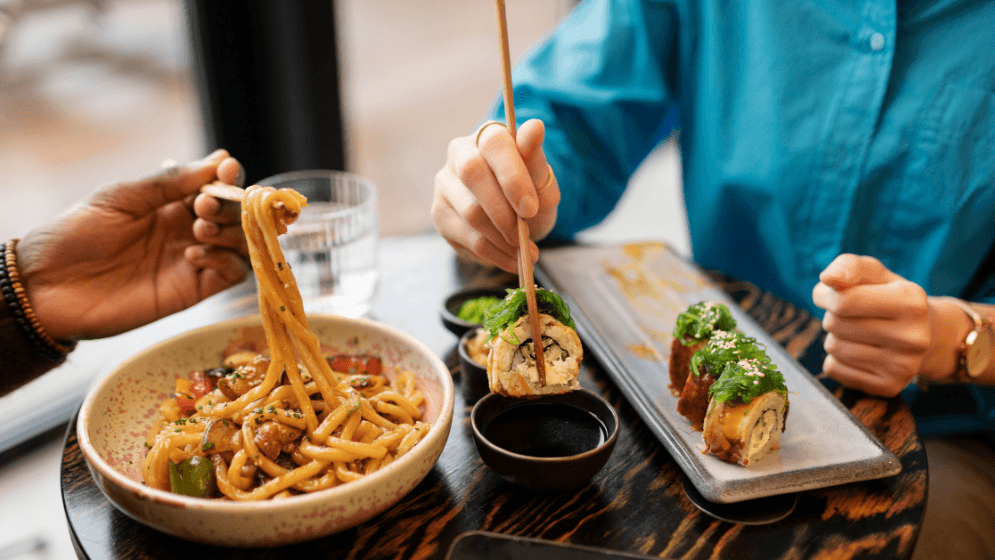
Starting a restaurant in Malaysia requires more than passion—it demands a strong understanding of the local market, careful location selection, strict regulatory compliance, efficient operations, and disciplined financial management. First-time restaurant owners can significantly reduce complexity by partnering with the right technology, such as StoreHub, which helps centralise orders, inventory, staff management, and customer engagement—allowing you to focus on delivering great food and memorable dining experiences. |
If you're dreaming of starting a restaurant, you know it takes more than just a love for food. Making it a successful venture involves thoughtful planning, strategic choices, and understanding the unique landscape of Malaysia's F&B industry.
Whether you're planning a charming café in Kuala Lumpur or a trendy bistro in Penang, this guide will walk you through the essential steps to get started.
Understanding the Market
Before diving into the operational aspects, it's essential to understand the local market in Malaysia, which boasts a rich culinary heritage with diverse palates and dining preferences. Conduct thorough market research to identify gaps and opportunities, such as popular cuisines and the demand for specific restaurant types.
Understanding your target market is crucial for tailoring your offerings to meet customer needs. Malaysia's vibrant food scene is shaped by a blend of cultures, so consider whether you are targeting locals or tourists. Knowing these cultural nuances and your desired audience will help you create a menu that resonates with them.
For instance, incorporating local ingredients and flavours can make your restaurant appealing to both locals and tourists. Alternatively, a more niche menu can cater to a specific audience seeking unique culinary experiences.
Choosing the Right Location

When starting a new restaurant, choosing the right location is crucial. In bustling cities like Kuala Lumpur and Penang, prime locations are expensive but offer high foot traffic.
Factors such as accessibility, visibility, and proximity to your target demographic should be carefully considered.
Opting for a slightly less central location doesn't mean your restaurant can't succeed. Effective marketing and unique menu offerings can attract customers even in less prominent areas. When scouting for locations, keep the following in mind:
Demographics: Who are your potential customers? Are they office workers, families, students, or tourists?
Competition: What other restaurants are nearby? How can you differentiate yourself?
Accessibility: Is the location easy to find? Is there ample parking or public transport options?
By thoroughly evaluating these factors, you can choose a location that sets your restaurant up for success.
Legal and Regulatory Compliance
Navigating the legal landscape is a critical step in starting a restaurant. In Malaysia, there are several permits and licenses you need to obtain before opening your doors. These may include:
Business Registration: Register your business with the Companies Commission of Malaysia (SSM).
Health and Safety Permits: Ensure your restaurant meets local health and safety standards.
Liquor License: If you plan to serve alcohol, you'll need a liquor license from the relevant authorities.
Environmental Permits: Comply with environmental regulations, particularly concerning waste disposal and noise levels.
It's advisable to consult with a legal expert who can guide you through the necessary steps and ensure you meet all local regulations. Failure to comply can result in fines or even closure.
Find the right technology partner
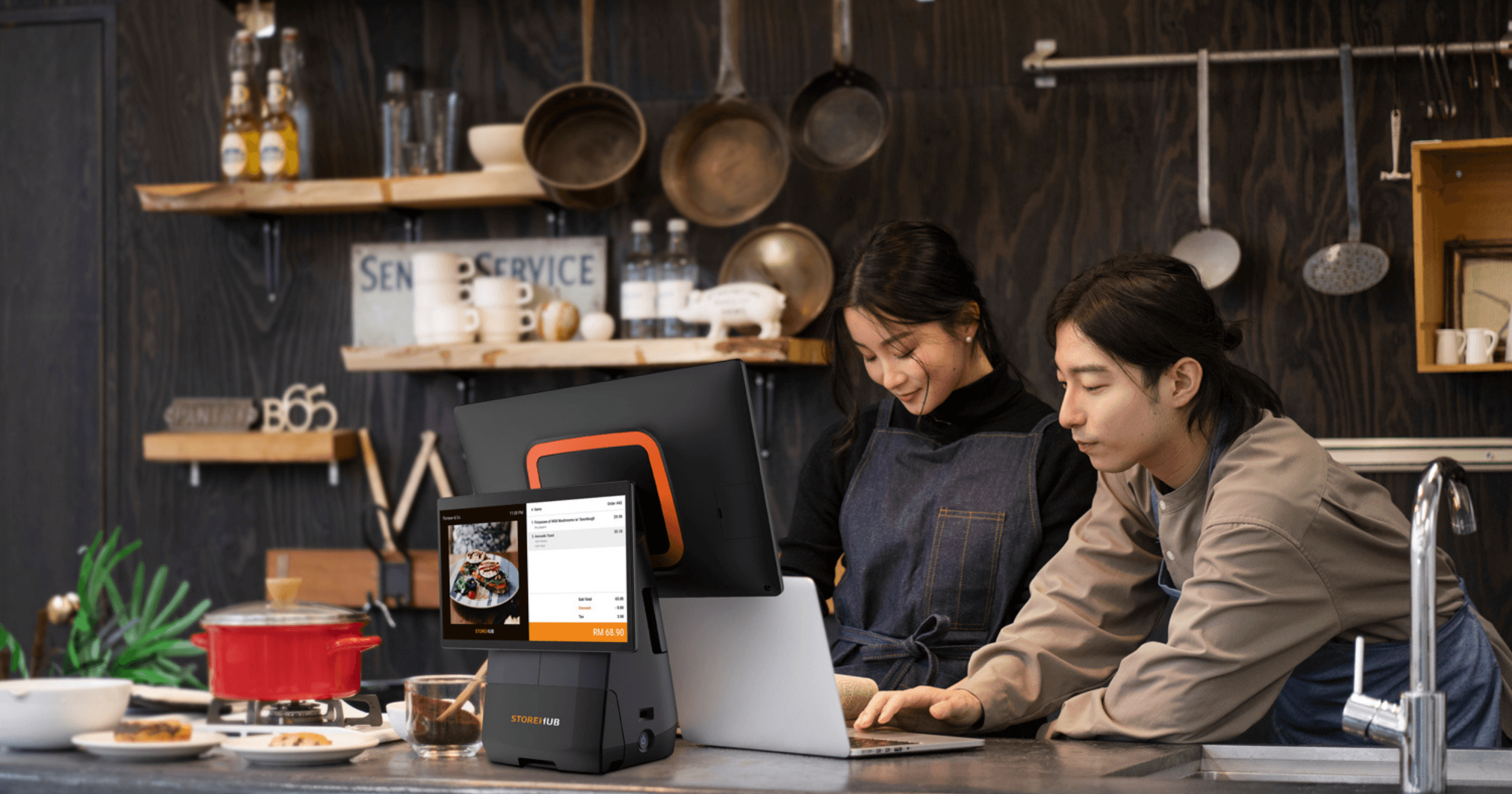
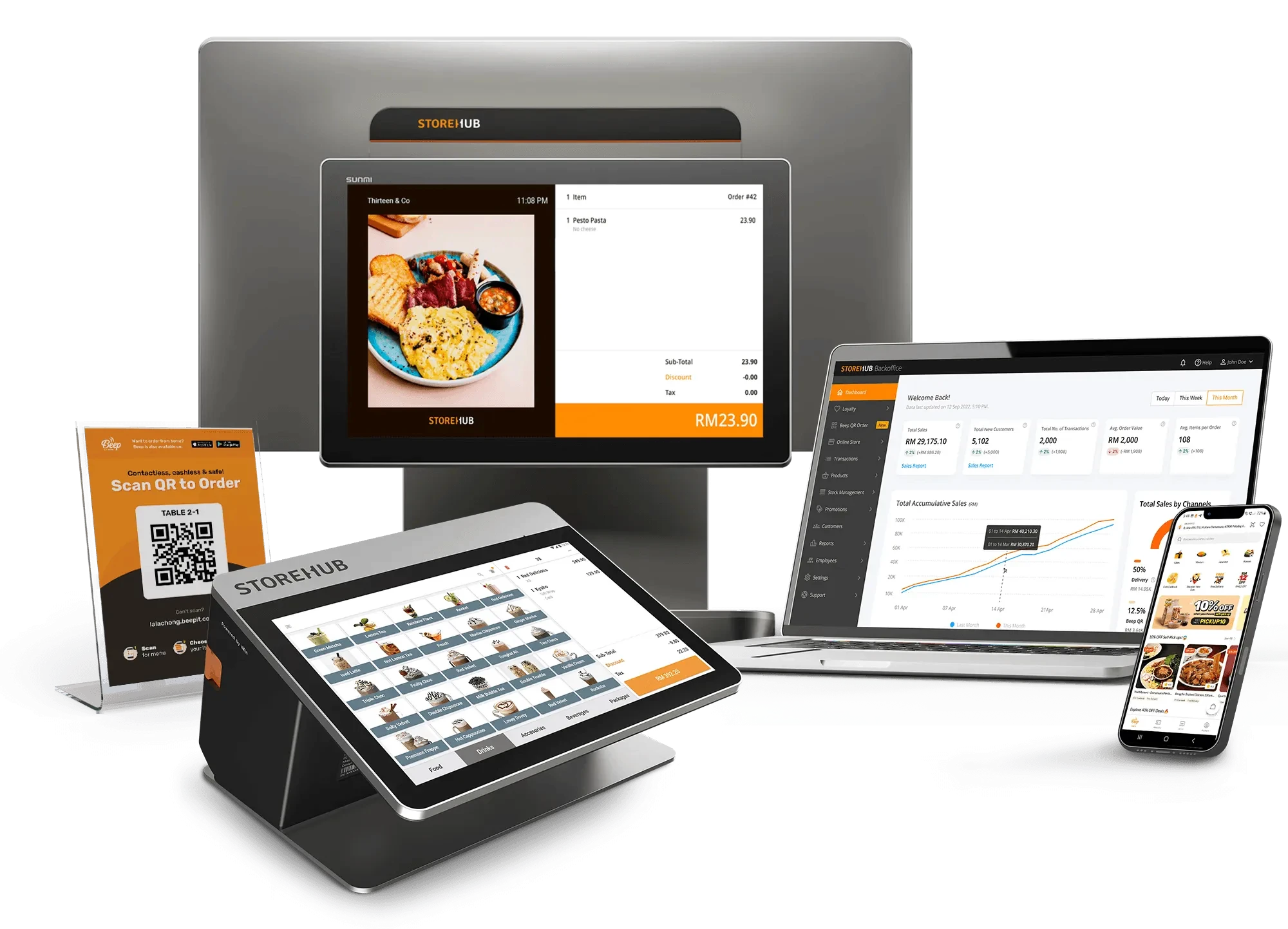
As a first-time restaurant owner, managing multiple responsibilities can be overwhelming. To streamline operations and ensure smooth business management, a reliable tool like StoreHub's all-in-one POS system can be invaluable.
Here's how it can help:
QR Order & Pay: Customers can order and pay directly from their smartphones, reducing wait times and enhancing the dining experience. This also minimises the reliance on staff for order processing.
Integrated Food Delivery: Easily manage both dine-in and delivery orders through a single platform, ensuring a seamless operation.
Composite Inventory: Track ingredients and stock in real-time, reducing wastage and preventing shortages of key items.
Cloud-Based Monitoring: Access sales reports and monitor operations remotely, giving you the flexibility to manage your restaurant from anywhere.
Integrated Loyalty System: Automatically collect customer data, such as names, phone numbers, and birthdays, and engage them through SMS marketing to build customer loyalty.
Implementing these technologies not only boosts efficiency but also provides valuable data insights.
For example, analysing sales reports can help you identify peak hours, enabling you to optimise staffing and inventory levels accordingly.
By leveraging these features, you can alleviate many operational challenges and focus on delivering an exceptional dining experience.
Hiring the Right Team
As with any business, your staff is the backbone of your restaurant. Which is why hiring the right people is crucial in ensuring smooth operations and great customer satisfaction. Here are some strategies to keep in mind when building your team:
Define Roles Clearly: Outline specific responsibilities, performance metrics, and growth opportunities for each position. Specify roles such as table service, barista duties, or hybrids to attract qualified and enthusiastic candidates.
Seek Cultural Alignment: Focus on candidates with passion and a positive attitude. During interviews, assess their interest in the culinary arts, long-term career aspirations, and alignment with your restaurant's vision and values.
Provide Training: Develop an onboarding program that covers operational training, restaurant history, values, and customer service philosophy. Regular workshops on industry trends, advanced cooking techniques, and new technologies like QR Order & Pay can keep your team at the forefront.
Create a Positive Work Environment: Foster a culture of mutual respect, continuous feedback, and teamwork. Encourage open communication, implement team-building activities, and recognize and reward hard work to maintain a motivated and collaborative team.
The interview process should be comprehensive. Use behavioral interview techniques to understand how candidates have handled past challenges and their approach to problem-solving.
Additionally, consider practical assessments or trial shifts to evaluate their skills in a real-world setting. This hands-on approach can reveal insights into their work ethic, ability to handle pressure, and interaction with existing staff.
Front and Back of House Operations
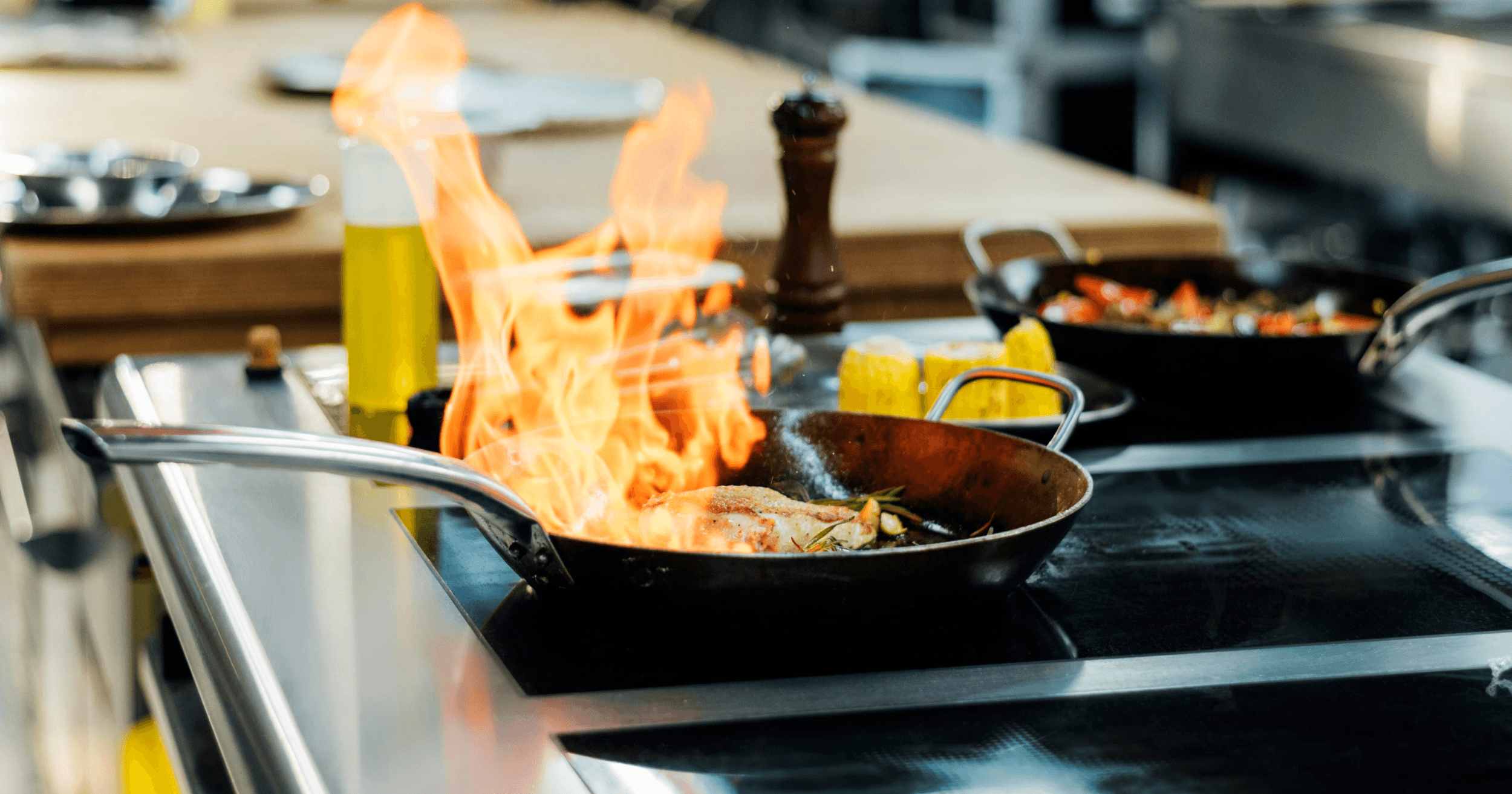
Efficient front and back-of-house operations are crucial for a smooth dining experience. Here's how to manage both effectively:
Front of House
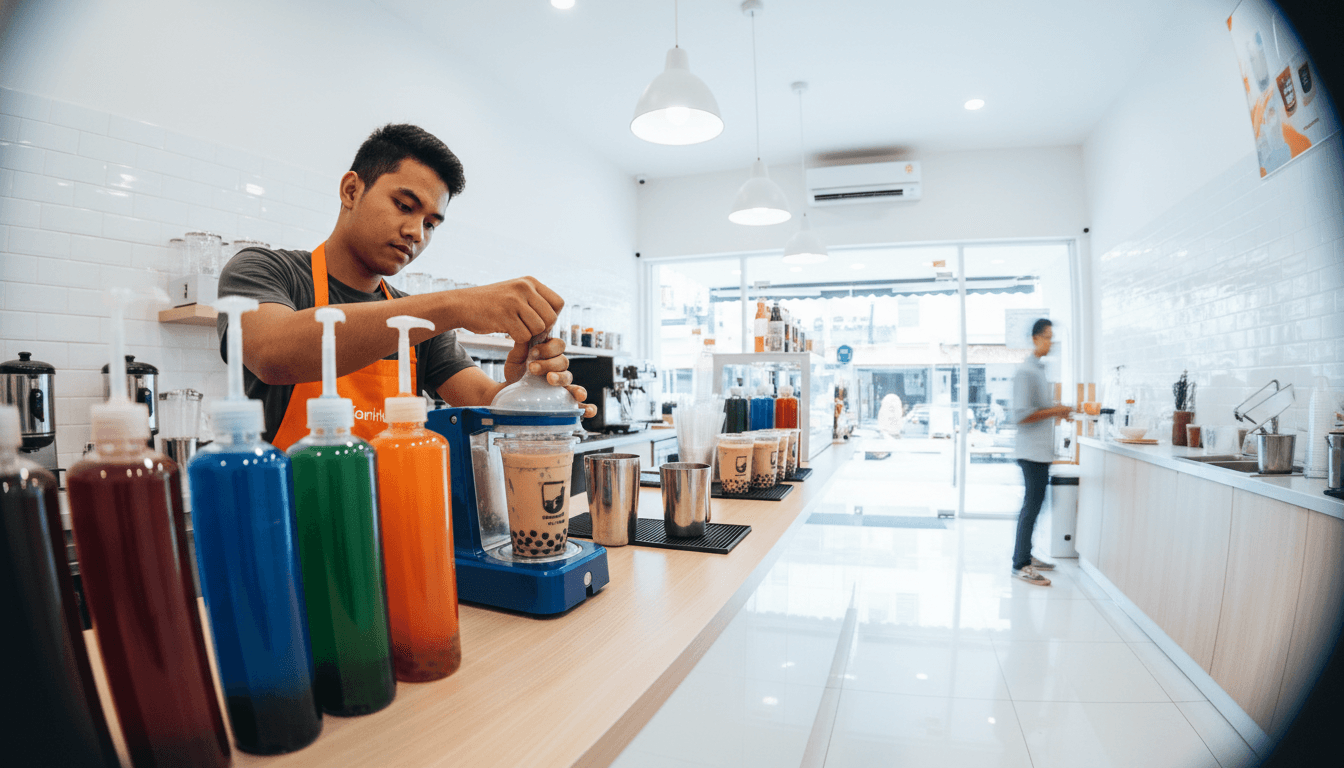
Customer Service: Train staff extensively in greeting guests, taking orders, handling special requests, and managing complaints. Use role-playing exercises and workshops to maintain high service standards and foster a customer-first mindset.
Ambiance: Create an inviting atmosphere that reflects your brand. Adjust lighting, choose complementary music, and select cohesive decorations to enhance the dining experience. Regularly update and maintain these elements.
Efficiency: Implement QR Order & Pay systems to reduce wait times and improve order accuracy. Train staff on technology use and establish clear table-cleaning protocols to maximise turnover. Use real-time POS data to adjust staffing levels during peak times.
Back of House
Kitchen Management: Optimise kitchen layout for workflow efficiency and use digital kitchen display systems to streamline order processing and improve communication. Regularly review procedures to enhance efficiency.
Inventory Control: Utilise composite inventory management systems to track stock levels, monitor usage, and predict needs. Conduct regular audits, maintain supplier relationships, and use data analytics for informed purchasing decisions.
Cleanliness and Safety: Develop comprehensive cleaning schedules and train staff on hygiene standards. Ensure compliance with health regulations through regular audits and updates. Implement safety protocols for food handling and emergency responses.
Financial Management

Running any business requires strong financial management, and as a business owner, one of your most important responsibilities is to ensure that your finances are monitored closely. Here are some tips:
Budgeting: Develop a comprehensive budget that includes all expenses, such as rent, utilities, staff salaries, and marketing. Factor in unexpected costs and seasonal fluctuations in business to ensure financial stability. A well-planned budget helps in anticipating financial needs and avoiding shortfalls.
Financial Tracking: Utilise your POS system to generate detailed sales reports and track cash flow. Regularly reviewing these reports can help you identify trends, such as peak sales periods and slow times. Use this data to make informed decisions about staffing, inventory, and marketing strategies.
Cost Control: Examine your expenses regularly to identify areas where you can cut costs without compromising quality. Negotiate with suppliers for better prices and terms, and consider bulk purchasing for frequently used items. Optimise your inventory to reduce waste and ensure you have enough stock to meet demand without over-purchasing.
Consider consulting with a financial advisor or accountant to ensure you have a solid financial plan in place. Keeping detailed records and staying on top of your finances will help you avoid cash flow problems and ensure long-term success.
Marketing and Promotions
Marketing is essential to attract and retain customers. Utilise a mix of online and offline strategies. Some of these include:
Social Media: Leverage platforms like Facebook, Instagram, and TikTok to showcase your dishes, share promotions, and engage with customers. Hop on trending topics and audio so that youre able to reach the right audience.
Local Partnerships: Collaborate with local influencers and food bloggers to increase visibility. Invite them for complimentary meals in exchange for reviews or social media posts, and host them at intimate parties and celebrations at your restaurant.
Loyalty Programs: Implement loyalty programs through your POS system to reward repeat customers. Offer discounts, free items, or special privileges to encourage repeat visits. Use the data collected to personalise marketing efforts and keep customers engaged.
Website: Create a professional website to provide essential information such as your menu, location, hours of operation, and contact details. Include high-quality images of your dishes, because first impressions matter!
The right marketing mix can ensure that you are able to attract and retain customers, keeping your restaurant top-of-mind when they are considering places to eat.
Conclusion
Starting a restaurant in Malaysia is both exciting and challenging. Success requires meticulous planning, strategic decision-making, and adaptability.
By understanding the local market, leveraging modern technology, hiring and training a passionate team, and maintaining efficient operations, you can create a standout dining experience.
Integrating an all-in-one POS system like StoreHub can transform your restaurant management. With features like QR Order & Pay, composite inventory management, real-time cloud-based monitoring, and an integrated Loyalty Programme, StoreHub enhances efficiency, improves customer service, and supports data-driven decisions.
Elevate your restaurant to the next level. Book your free demo with StoreHub today and take the first step towards a thriving, efficiently managed restaurant.
Frequently Asked Questions (FAQs)
What is the first step to starting a restaurant in Malaysia?
The first step is understanding the market. Conduct research on local dining trends, customer preferences, competition, and demand in your target area. This helps you define your concept, pricing, and menu so they align with what Malaysian customers actually want.
How do I choose the right location for my restaurant?
Choose a location based on target demographics, accessibility, visibility, and competition, not just foot traffic. While prime areas in Kuala Lumpur or Penang are costly, slightly less central locations can still succeed with strong marketing, a clear concept, and operational efficiency.
What licenses and permits do I need to open a restaurant?
At minimum, you’ll need:
Business registration with SSM
Local council health and safety approvals
Food handling certification
A liquor license (if serving alcohol)
Additional environmental or signage permits may apply depending on your location. Consulting a legal or compliance expert is highly recommended.
How can technology help new restaurant owners manage operations?
Technology simplifies daily operations and reduces human error. An all-in-one POS like StoreHub allows restaurant owners to manage dine-in and delivery orders, track inventory in real time, monitor sales remotely, and run loyalty programmes—all from a single system.
How do I attract and retain customers in a competitive F&B market?
Use a mix of digital marketing and loyalty strategies. Stay active on social media, collaborate with local influencers, maintain a professional website, and reward repeat customers through loyalty programmes. Consistency in food quality and service is what ultimately keeps customers coming back.

At a Glance: |
|---|
Starting a restaurant in Malaysia requires more than passion—it demands a strong understanding of the local market, careful location selection, strict regulatory compliance, efficient operations, and disciplined financial management. First-time restaurant owners can significantly reduce complexity by partnering with the right technology, such as StoreHub, which helps centralise orders, inventory, staff management, and customer engagement—allowing you to focus on delivering great food and memorable dining experiences. |
If you're dreaming of starting a restaurant, you know it takes more than just a love for food. Making it a successful venture involves thoughtful planning, strategic choices, and understanding the unique landscape of Malaysia's F&B industry.
Whether you're planning a charming café in Kuala Lumpur or a trendy bistro in Penang, this guide will walk you through the essential steps to get started.
Understanding the Market
Before diving into the operational aspects, it's essential to understand the local market in Malaysia, which boasts a rich culinary heritage with diverse palates and dining preferences. Conduct thorough market research to identify gaps and opportunities, such as popular cuisines and the demand for specific restaurant types.
Understanding your target market is crucial for tailoring your offerings to meet customer needs. Malaysia's vibrant food scene is shaped by a blend of cultures, so consider whether you are targeting locals or tourists. Knowing these cultural nuances and your desired audience will help you create a menu that resonates with them.
For instance, incorporating local ingredients and flavours can make your restaurant appealing to both locals and tourists. Alternatively, a more niche menu can cater to a specific audience seeking unique culinary experiences.
Choosing the Right Location
When starting a new restaurant, choosing the right location is crucial. In bustling cities like Kuala Lumpur and Penang, prime locations are expensive but offer high foot traffic.
Factors such as accessibility, visibility, and proximity to your target demographic should be carefully considered.
Opting for a slightly less central location doesn't mean your restaurant can't succeed. Effective marketing and unique menu offerings can attract customers even in less prominent areas. When scouting for locations, keep the following in mind:
Demographics: Who are your potential customers? Are they office workers, families, students, or tourists?
Competition: What other restaurants are nearby? How can you differentiate yourself?
Accessibility: Is the location easy to find? Is there ample parking or public transport options?
By thoroughly evaluating these factors, you can choose a location that sets your restaurant up for success.
Legal and Regulatory Compliance
Navigating the legal landscape is a critical step in starting a restaurant. In Malaysia, there are several permits and licenses you need to obtain before opening your doors. These may include:
Business Registration: Register your business with the Companies Commission of Malaysia (SSM).
Health and Safety Permits: Ensure your restaurant meets local health and safety standards.
Liquor License: If you plan to serve alcohol, you'll need a liquor license from the relevant authorities.
Environmental Permits: Comply with environmental regulations, particularly concerning waste disposal and noise levels.
It's advisable to consult with a legal expert who can guide you through the necessary steps and ensure you meet all local regulations. Failure to comply can result in fines or even closure.
Find the right technology partner
As a first-time restaurant owner, managing multiple responsibilities can be overwhelming. To streamline operations and ensure smooth business management, a reliable tool like StoreHub's all-in-one POS system can be invaluable.
Here's how it can help:
QR Order & Pay: Customers can order and pay directly from their smartphones, reducing wait times and enhancing the dining experience. This also minimises the reliance on staff for order processing.
Integrated Food Delivery: Easily manage both dine-in and delivery orders through a single platform, ensuring a seamless operation.
Composite Inventory: Track ingredients and stock in real-time, reducing wastage and preventing shortages of key items.
Cloud-Based Monitoring: Access sales reports and monitor operations remotely, giving you the flexibility to manage your restaurant from anywhere.
Integrated Loyalty System: Automatically collect customer data, such as names, phone numbers, and birthdays, and engage them through SMS marketing to build customer loyalty.
Implementing these technologies not only boosts efficiency but also provides valuable data insights.
For example, analysing sales reports can help you identify peak hours, enabling you to optimise staffing and inventory levels accordingly.
By leveraging these features, you can alleviate many operational challenges and focus on delivering an exceptional dining experience.
Hiring the Right Team
As with any business, your staff is the backbone of your restaurant. Which is why hiring the right people is crucial in ensuring smooth operations and great customer satisfaction. Here are some strategies to keep in mind when building your team:
Define Roles Clearly: Outline specific responsibilities, performance metrics, and growth opportunities for each position. Specify roles such as table service, barista duties, or hybrids to attract qualified and enthusiastic candidates.
Seek Cultural Alignment: Focus on candidates with passion and a positive attitude. During interviews, assess their interest in the culinary arts, long-term career aspirations, and alignment with your restaurant's vision and values.
Provide Training: Develop an onboarding program that covers operational training, restaurant history, values, and customer service philosophy. Regular workshops on industry trends, advanced cooking techniques, and new technologies like QR Order & Pay can keep your team at the forefront.
Create a Positive Work Environment: Foster a culture of mutual respect, continuous feedback, and teamwork. Encourage open communication, implement team-building activities, and recognize and reward hard work to maintain a motivated and collaborative team.
The interview process should be comprehensive. Use behavioral interview techniques to understand how candidates have handled past challenges and their approach to problem-solving.
Additionally, consider practical assessments or trial shifts to evaluate their skills in a real-world setting. This hands-on approach can reveal insights into their work ethic, ability to handle pressure, and interaction with existing staff.
Front and Back of House Operations
Efficient front and back-of-house operations are crucial for a smooth dining experience. Here's how to manage both effectively:
Front of House
Customer Service: Train staff extensively in greeting guests, taking orders, handling special requests, and managing complaints. Use role-playing exercises and workshops to maintain high service standards and foster a customer-first mindset.
Ambiance: Create an inviting atmosphere that reflects your brand. Adjust lighting, choose complementary music, and select cohesive decorations to enhance the dining experience. Regularly update and maintain these elements.
Efficiency: Implement QR Order & Pay systems to reduce wait times and improve order accuracy. Train staff on technology use and establish clear table-cleaning protocols to maximise turnover. Use real-time POS data to adjust staffing levels during peak times.
Back of House
Kitchen Management: Optimise kitchen layout for workflow efficiency and use digital kitchen display systems to streamline order processing and improve communication. Regularly review procedures to enhance efficiency.
Inventory Control: Utilise composite inventory management systems to track stock levels, monitor usage, and predict needs. Conduct regular audits, maintain supplier relationships, and use data analytics for informed purchasing decisions.
Cleanliness and Safety: Develop comprehensive cleaning schedules and train staff on hygiene standards. Ensure compliance with health regulations through regular audits and updates. Implement safety protocols for food handling and emergency responses.
Financial Management
Running any business requires strong financial management, and as a business owner, one of your most important responsibilities is to ensure that your finances are monitored closely. Here are some tips:
Budgeting: Develop a comprehensive budget that includes all expenses, such as rent, utilities, staff salaries, and marketing. Factor in unexpected costs and seasonal fluctuations in business to ensure financial stability. A well-planned budget helps in anticipating financial needs and avoiding shortfalls.
Financial Tracking: Utilise your POS system to generate detailed sales reports and track cash flow. Regularly reviewing these reports can help you identify trends, such as peak sales periods and slow times. Use this data to make informed decisions about staffing, inventory, and marketing strategies.
Cost Control: Examine your expenses regularly to identify areas where you can cut costs without compromising quality. Negotiate with suppliers for better prices and terms, and consider bulk purchasing for frequently used items. Optimise your inventory to reduce waste and ensure you have enough stock to meet demand without over-purchasing.
Consider consulting with a financial advisor or accountant to ensure you have a solid financial plan in place. Keeping detailed records and staying on top of your finances will help you avoid cash flow problems and ensure long-term success.
Marketing and Promotions
Marketing is essential to attract and retain customers. Utilise a mix of online and offline strategies. Some of these include:
Social Media: Leverage platforms like Facebook, Instagram, and TikTok to showcase your dishes, share promotions, and engage with customers. Hop on trending topics and audio so that youre able to reach the right audience.
Local Partnerships: Collaborate with local influencers and food bloggers to increase visibility. Invite them for complimentary meals in exchange for reviews or social media posts, and host them at intimate parties and celebrations at your restaurant.
Loyalty Programs: Implement loyalty programs through your POS system to reward repeat customers. Offer discounts, free items, or special privileges to encourage repeat visits. Use the data collected to personalise marketing efforts and keep customers engaged.
Website: Create a professional website to provide essential information such as your menu, location, hours of operation, and contact details. Include high-quality images of your dishes, because first impressions matter!
The right marketing mix can ensure that you are able to attract and retain customers, keeping your restaurant top-of-mind when they are considering places to eat.
Conclusion
Starting a restaurant in Malaysia is both exciting and challenging. Success requires meticulous planning, strategic decision-making, and adaptability.
By understanding the local market, leveraging modern technology, hiring and training a passionate team, and maintaining efficient operations, you can create a standout dining experience.
Integrating an all-in-one POS system like StoreHub can transform your restaurant management. With features like QR Order & Pay, composite inventory management, real-time cloud-based monitoring, and an integrated Loyalty Programme, StoreHub enhances efficiency, improves customer service, and supports data-driven decisions.
Elevate your restaurant to the next level. Book your free demo with StoreHub today and take the first step towards a thriving, efficiently managed restaurant.
Frequently Asked Questions (FAQs)
What is the first step to starting a restaurant in Malaysia?
The first step is understanding the market. Conduct research on local dining trends, customer preferences, competition, and demand in your target area. This helps you define your concept, pricing, and menu so they align with what Malaysian customers actually want.
How do I choose the right location for my restaurant?
Choose a location based on target demographics, accessibility, visibility, and competition, not just foot traffic. While prime areas in Kuala Lumpur or Penang are costly, slightly less central locations can still succeed with strong marketing, a clear concept, and operational efficiency.
What licenses and permits do I need to open a restaurant?
At minimum, you’ll need:
Business registration with SSM
Local council health and safety approvals
Food handling certification
A liquor license (if serving alcohol)
Additional environmental or signage permits may apply depending on your location. Consulting a legal or compliance expert is highly recommended.
How can technology help new restaurant owners manage operations?
Technology simplifies daily operations and reduces human error. An all-in-one POS like StoreHub allows restaurant owners to manage dine-in and delivery orders, track inventory in real time, monitor sales remotely, and run loyalty programmes—all from a single system.
How do I attract and retain customers in a competitive F&B market?
Use a mix of digital marketing and loyalty strategies. Stay active on social media, collaborate with local influencers, maintain a professional website, and reward repeat customers through loyalty programmes. Consistency in food quality and service is what ultimately keeps customers coming back.
At a Glance: |
|---|
Starting a restaurant in Malaysia requires more than passion—it demands a strong understanding of the local market, careful location selection, strict regulatory compliance, efficient operations, and disciplined financial management. First-time restaurant owners can significantly reduce complexity by partnering with the right technology, such as StoreHub, which helps centralise orders, inventory, staff management, and customer engagement—allowing you to focus on delivering great food and memorable dining experiences. |
If you're dreaming of starting a restaurant, you know it takes more than just a love for food. Making it a successful venture involves thoughtful planning, strategic choices, and understanding the unique landscape of Malaysia's F&B industry.
Whether you're planning a charming café in Kuala Lumpur or a trendy bistro in Penang, this guide will walk you through the essential steps to get started.
Understanding the Market
Before diving into the operational aspects, it's essential to understand the local market in Malaysia, which boasts a rich culinary heritage with diverse palates and dining preferences. Conduct thorough market research to identify gaps and opportunities, such as popular cuisines and the demand for specific restaurant types.
Understanding your target market is crucial for tailoring your offerings to meet customer needs. Malaysia's vibrant food scene is shaped by a blend of cultures, so consider whether you are targeting locals or tourists. Knowing these cultural nuances and your desired audience will help you create a menu that resonates with them.
For instance, incorporating local ingredients and flavours can make your restaurant appealing to both locals and tourists. Alternatively, a more niche menu can cater to a specific audience seeking unique culinary experiences.
Choosing the Right Location
When starting a new restaurant, choosing the right location is crucial. In bustling cities like Kuala Lumpur and Penang, prime locations are expensive but offer high foot traffic.
Factors such as accessibility, visibility, and proximity to your target demographic should be carefully considered.
Opting for a slightly less central location doesn't mean your restaurant can't succeed. Effective marketing and unique menu offerings can attract customers even in less prominent areas. When scouting for locations, keep the following in mind:
Demographics: Who are your potential customers? Are they office workers, families, students, or tourists?
Competition: What other restaurants are nearby? How can you differentiate yourself?
Accessibility: Is the location easy to find? Is there ample parking or public transport options?
By thoroughly evaluating these factors, you can choose a location that sets your restaurant up for success.
Legal and Regulatory Compliance
Navigating the legal landscape is a critical step in starting a restaurant. In Malaysia, there are several permits and licenses you need to obtain before opening your doors. These may include:
Business Registration: Register your business with the Companies Commission of Malaysia (SSM).
Health and Safety Permits: Ensure your restaurant meets local health and safety standards.
Liquor License: If you plan to serve alcohol, you'll need a liquor license from the relevant authorities.
Environmental Permits: Comply with environmental regulations, particularly concerning waste disposal and noise levels.
It's advisable to consult with a legal expert who can guide you through the necessary steps and ensure you meet all local regulations. Failure to comply can result in fines or even closure.
Find the right technology partner
As a first-time restaurant owner, managing multiple responsibilities can be overwhelming. To streamline operations and ensure smooth business management, a reliable tool like StoreHub's all-in-one POS system can be invaluable.
Here's how it can help:
QR Order & Pay: Customers can order and pay directly from their smartphones, reducing wait times and enhancing the dining experience. This also minimises the reliance on staff for order processing.
Integrated Food Delivery: Easily manage both dine-in and delivery orders through a single platform, ensuring a seamless operation.
Composite Inventory: Track ingredients and stock in real-time, reducing wastage and preventing shortages of key items.
Cloud-Based Monitoring: Access sales reports and monitor operations remotely, giving you the flexibility to manage your restaurant from anywhere.
Integrated Loyalty System: Automatically collect customer data, such as names, phone numbers, and birthdays, and engage them through SMS marketing to build customer loyalty.
Implementing these technologies not only boosts efficiency but also provides valuable data insights.
For example, analysing sales reports can help you identify peak hours, enabling you to optimise staffing and inventory levels accordingly.
By leveraging these features, you can alleviate many operational challenges and focus on delivering an exceptional dining experience.
Hiring the Right Team
As with any business, your staff is the backbone of your restaurant. Which is why hiring the right people is crucial in ensuring smooth operations and great customer satisfaction. Here are some strategies to keep in mind when building your team:
Define Roles Clearly: Outline specific responsibilities, performance metrics, and growth opportunities for each position. Specify roles such as table service, barista duties, or hybrids to attract qualified and enthusiastic candidates.
Seek Cultural Alignment: Focus on candidates with passion and a positive attitude. During interviews, assess their interest in the culinary arts, long-term career aspirations, and alignment with your restaurant's vision and values.
Provide Training: Develop an onboarding program that covers operational training, restaurant history, values, and customer service philosophy. Regular workshops on industry trends, advanced cooking techniques, and new technologies like QR Order & Pay can keep your team at the forefront.
Create a Positive Work Environment: Foster a culture of mutual respect, continuous feedback, and teamwork. Encourage open communication, implement team-building activities, and recognize and reward hard work to maintain a motivated and collaborative team.
The interview process should be comprehensive. Use behavioral interview techniques to understand how candidates have handled past challenges and their approach to problem-solving.
Additionally, consider practical assessments or trial shifts to evaluate their skills in a real-world setting. This hands-on approach can reveal insights into their work ethic, ability to handle pressure, and interaction with existing staff.
Front and Back of House Operations
Efficient front and back-of-house operations are crucial for a smooth dining experience. Here's how to manage both effectively:
Front of House
Customer Service: Train staff extensively in greeting guests, taking orders, handling special requests, and managing complaints. Use role-playing exercises and workshops to maintain high service standards and foster a customer-first mindset.
Ambiance: Create an inviting atmosphere that reflects your brand. Adjust lighting, choose complementary music, and select cohesive decorations to enhance the dining experience. Regularly update and maintain these elements.
Efficiency: Implement QR Order & Pay systems to reduce wait times and improve order accuracy. Train staff on technology use and establish clear table-cleaning protocols to maximise turnover. Use real-time POS data to adjust staffing levels during peak times.
Back of House
Kitchen Management: Optimise kitchen layout for workflow efficiency and use digital kitchen display systems to streamline order processing and improve communication. Regularly review procedures to enhance efficiency.
Inventory Control: Utilise composite inventory management systems to track stock levels, monitor usage, and predict needs. Conduct regular audits, maintain supplier relationships, and use data analytics for informed purchasing decisions.
Cleanliness and Safety: Develop comprehensive cleaning schedules and train staff on hygiene standards. Ensure compliance with health regulations through regular audits and updates. Implement safety protocols for food handling and emergency responses.
Financial Management
Running any business requires strong financial management, and as a business owner, one of your most important responsibilities is to ensure that your finances are monitored closely. Here are some tips:
Budgeting: Develop a comprehensive budget that includes all expenses, such as rent, utilities, staff salaries, and marketing. Factor in unexpected costs and seasonal fluctuations in business to ensure financial stability. A well-planned budget helps in anticipating financial needs and avoiding shortfalls.
Financial Tracking: Utilise your POS system to generate detailed sales reports and track cash flow. Regularly reviewing these reports can help you identify trends, such as peak sales periods and slow times. Use this data to make informed decisions about staffing, inventory, and marketing strategies.
Cost Control: Examine your expenses regularly to identify areas where you can cut costs without compromising quality. Negotiate with suppliers for better prices and terms, and consider bulk purchasing for frequently used items. Optimise your inventory to reduce waste and ensure you have enough stock to meet demand without over-purchasing.
Consider consulting with a financial advisor or accountant to ensure you have a solid financial plan in place. Keeping detailed records and staying on top of your finances will help you avoid cash flow problems and ensure long-term success.
Marketing and Promotions
Marketing is essential to attract and retain customers. Utilise a mix of online and offline strategies. Some of these include:
Social Media: Leverage platforms like Facebook, Instagram, and TikTok to showcase your dishes, share promotions, and engage with customers. Hop on trending topics and audio so that youre able to reach the right audience.
Local Partnerships: Collaborate with local influencers and food bloggers to increase visibility. Invite them for complimentary meals in exchange for reviews or social media posts, and host them at intimate parties and celebrations at your restaurant.
Loyalty Programs: Implement loyalty programs through your POS system to reward repeat customers. Offer discounts, free items, or special privileges to encourage repeat visits. Use the data collected to personalise marketing efforts and keep customers engaged.
Website: Create a professional website to provide essential information such as your menu, location, hours of operation, and contact details. Include high-quality images of your dishes, because first impressions matter!
The right marketing mix can ensure that you are able to attract and retain customers, keeping your restaurant top-of-mind when they are considering places to eat.
Conclusion
Starting a restaurant in Malaysia is both exciting and challenging. Success requires meticulous planning, strategic decision-making, and adaptability.
By understanding the local market, leveraging modern technology, hiring and training a passionate team, and maintaining efficient operations, you can create a standout dining experience.
Integrating an all-in-one POS system like StoreHub can transform your restaurant management. With features like QR Order & Pay, composite inventory management, real-time cloud-based monitoring, and an integrated Loyalty Programme, StoreHub enhances efficiency, improves customer service, and supports data-driven decisions.
Elevate your restaurant to the next level. Book your free demo with StoreHub today and take the first step towards a thriving, efficiently managed restaurant.
Frequently Asked Questions (FAQs)
What is the first step to starting a restaurant in Malaysia?
The first step is understanding the market. Conduct research on local dining trends, customer preferences, competition, and demand in your target area. This helps you define your concept, pricing, and menu so they align with what Malaysian customers actually want.
How do I choose the right location for my restaurant?
Choose a location based on target demographics, accessibility, visibility, and competition, not just foot traffic. While prime areas in Kuala Lumpur or Penang are costly, slightly less central locations can still succeed with strong marketing, a clear concept, and operational efficiency.
What licenses and permits do I need to open a restaurant?
At minimum, you’ll need:
Business registration with SSM
Local council health and safety approvals
Food handling certification
A liquor license (if serving alcohol)
Additional environmental or signage permits may apply depending on your location. Consulting a legal or compliance expert is highly recommended.
How can technology help new restaurant owners manage operations?
Technology simplifies daily operations and reduces human error. An all-in-one POS like StoreHub allows restaurant owners to manage dine-in and delivery orders, track inventory in real time, monitor sales remotely, and run loyalty programmes—all from a single system.
How do I attract and retain customers in a competitive F&B market?
Use a mix of digital marketing and loyalty strategies. Stay active on social media, collaborate with local influencers, maintain a professional website, and reward repeat customers through loyalty programmes. Consistency in food quality and service is what ultimately keeps customers coming back.
Related Posts
Related Posts

คุยกับผู้เชี่ยวชาญของเรา

Easy to use
for anyone

Safe and Secure
Transactions

Integrated with
various platforms

Trusted by 20,000+ businesses across Southeast Asia








คุยกับผู้เชี่ยวชาญของเรา
Easy to use
for anyone
Safe and Secure
Transactions
Integrated with
various platforms
Trusted by 20,000+ businesses across Southeast Asia
คุยกับผู้เชี่ยวชาญของเรา
Easy to use
for anyone
Safe and Secure
Transactions
Integrated with
various platforms
Trusted by 20,000+ businesses across Southeast Asia

StoreHub เป็นระบบการจัดการร้านค้าแบบ all-in-one ขับเคลื่อนกว่า 18,000+ ธุรกิจร้านค้า ทั่วเอเชียตะวันออกเฉียงใต้ ไม่ว่าจะเป็น ร้านอาหาร ร้านค้าปลีก เสื้อผ้า เครื่องประดับ และ ธุรกิจบริการ



© Copyright 2025 StoreHub | เงื่อนไขการใช้บริการ | นโยบายส่วนบุคคล
StoreHub เป็นระบบการจัดการร้านค้าแบบ all-in-one ขับเคลื่อนกว่า 18,000+ ธุรกิจร้านค้า ทั่วเอเชียตะวันออกเฉียงใต้ ไม่ว่าจะเป็น ร้านอาหาร ร้านค้าปลีก เสื้อผ้า เครื่องประดับ และ ธุรกิจบริการ
© Copyright 2025 StoreHub | เงื่อนไขการใช้บริการ | นโยบายส่วนบุคคล
StoreHub เป็นระบบการจัดการร้านค้าแบบ all-in-one ขับเคลื่อนกว่า 18,000+ ธุรกิจร้านค้า ทั่วเอเชียตะวันออกเฉียงใต้ ไม่ว่าจะเป็น ร้านอาหาร ร้านค้าปลีก เสื้อผ้า เครื่องประดับ และ ธุรกิจบริการ
© Copyright 2025 StoreHub | เงื่อนไขการใช้บริการ | นโยบายส่วนบุคคล