Tips & Tricks
How To Start A Vape Shop In Malaysia: A Comprehensive Guide
How To Start A Vape Shop In Malaysia: A Comprehensive Guide
How To Start A Vape Shop In Malaysia: A Comprehensive Guide
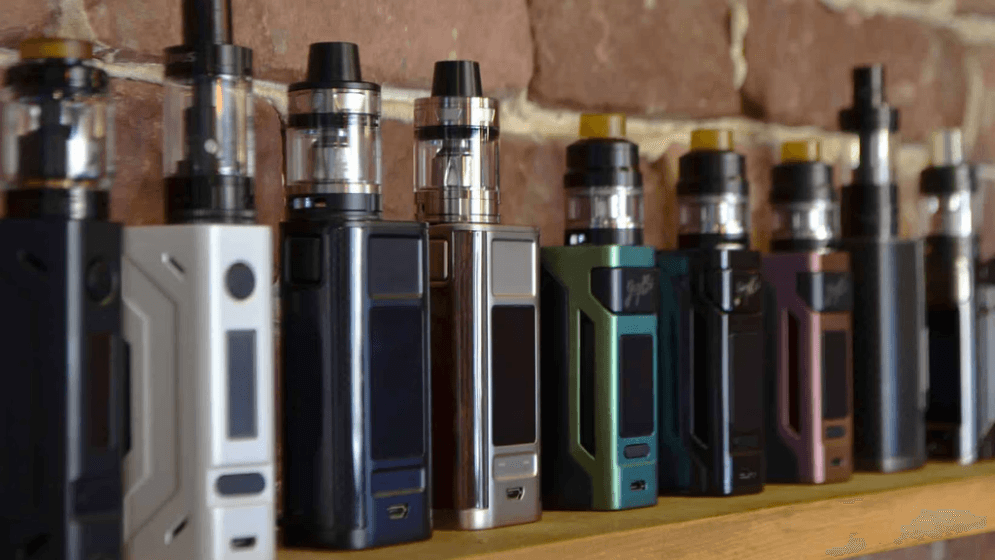
Starting a vape shop in Malaysia can be a great business opportunity, but it requires careful planning and execution. With the rising popularity of vaping among Malaysians, now is a great time to start your own vape shop. However, like any business, starting a vape shop requires careful planning and execution. To help you get started, we've done the research for you!
Here are the steps to take when starting a vape shop in Malaysia.
Research regulations and competition
The first step in starting a vape shop is to research the regulations and competition in your area. This will give you an idea of what you can and can't do in terms of advertising, marketing, and sales. In Malaysia, for example, there are regulations regarding the legal age for purchasing and using vaping products, as well as restrictions on advertising and marketing.
Knowing these regulations and restrictions will help you avoid any legal issues down the line.
You'll also want to research the competition in your area. Look at what other vape shops are doing, what products they're selling, and how they're marketing themselves. This will help you identify gaps in the market that you can fill with your own unique offerings. You can differentiate your shop by offering unique products or services, such as custom e-liquid blending, mod customization, or vape classes.
Vape regulations in Malaysia under the Control of Smoking Products for Public Health Act 2024 (Act 852) that YOU should follow:
Legal Age Restriction: Vape products can only be sold to customers who are 18 years old or above. Retailers must implement rigorous age verification protocols for every sale.
Advertising and Promotion: A strict and near-total ban is imposed on all forms of direct and indirect advertising, promotion, and sponsorship through any media channel, including social media, websites, print, and in-store displays. This explicitly prohibits offering giveaways, gifts, or discounts to promote vaping.
Product Registration (MOH): All smoking substances (e-liquids) and substitute tobacco products must be formally registered with the Ministry of Health (MOH) before being manufactured, imported, or sold. (Compliance for registration is under phased enforcement, e.g., by April 1, 2025).
Retail Display & Prohibited Sales:
Public display is banned at retail points of sale, except inside licensed specialised stores, where they must not be visible from the outside.
Online sales and sales via vending machines are strictly prohibited.
Sales are prohibited at and within 40 meters of educational and higher educational institutions.
Health Warnings & Packaging:
All vape products must carry prescribed pictorial and text health warnings that occupy a substantial portion of the packaging. (Compliance for new packaging is phased, e.g., by October 1, 2025).
Packaging must not resemble toys or food to prevent appeal to minors.
The use of descriptors that suggest a product is less harmful (e.g., "light," "premium," "mild") is prohibited.
Nicotine and Volume Limits (Phased):
The maximum nicotine concentration is set to be reduced to 20 mg/ml starting October 1, 2025.
The maximum capacity for cartridges/disposable pods is set to be reduced to 2 ml from October 1, 2026.
Import and Export: Vape shops are only allowed to import or export MOH-registered products with the necessary permits and approvals from relevant authorities.
Develop a business plan
The next step is to develop a business plan that outlines your goals, target market, financial projections, and marketing strategies. A business plan will help you stay on track and give you a clear direction for your business. It will also be helpful if you need to secure financing from investors or a bank.
In your business plan, be sure to identify your target market. Who are the customers you want to attract to your shop? What are their needs and preferences? Understanding your target market will help you make better decisions about what products to offer and how to market your business.
Obtain the necessary licenses and permits
You need to obtain the necessary licenses, permits, and product registrations to legally operate a vape shop in Malaysia. The primary regulating law is the Control of Smoking Products for Public Health Act 2024 (Act 852), which came into effect on October 1, 2024, and supersedes previous regulations.
Below is the updated list of requirements and compliance steps you need to secure:
Product Registration from the Ministry of Health (MOH):
This is the most critical new requirement. All e-liquids (defined as 'smoking substances') must be registered with the Director-General of the MOH.
This includes submitting an application, paying a fee, and providing a laboratory analysis report to ensure the product meets health standards.
Note: Products cannot be imported, manufactured, or distributed unless this registration is complete.
SIRIM Certification (KPDN):
Vape devices (hardware) are regulated by the Ministry of Domestic Trade and Costs of Living (KPDN) under the Trade Descriptions Act.
All imported or locally manufactured vape devices must comply with safety standards (MS 2716:2019) and be certified with the SIRIM MS mark before being sold in the market.
Local Business License:
This license is still required to operate a business and is issued by the local government (PBT).
The PBT will consider your compliance with Act 852, specifically checking that your location is not within 40 meters of an educational institution before granting a license.
Signboard License:
This license is still required to display a signboard or advertisement and is issued by the local government.
Crucial Update: Due to the strict advertising ban under Act 852, your signboard and any external signage cannot promote vaping products.
Fire Safety Certificate (BOMBA):
This certificate is still required to ensure the safety of the building and customers in the event of a fire and is issued by the Fire and Rescue Department of Malaysia.
Workers' Compensation Insurance (SOCSO):
This insurance is still required to provide coverage for workplace injuries or illnesses and is regulated by the Social Security Organization (SOCSO).
It is important to note that the focus has shifted from a single MOH license to mandatory Product Registration with the MOH and Device Certification (SIRIM), in addition to your local operating permits.
Additional permits may be required depending on the location and specific regulations of the state (as some local authorities have banned sales entirely). It's always best to consult with local authorities and legal experts to ensure full compliance with the Control of Smoking Products for Public Health Act 2024 when setting up a vape shop in Malaysia.
Stock your shop
When it comes to stocking your shop, it's important to offer a range of vaping devices, e-liquids, and accessories from different manufacturers. This will appeal to a wider range of customers and give them more options. Consider offering products at different price points to cater to different budgets. You can also offer a loyalty program or other incentives to keep customers returning.
In addition, consider offering products that are unique to your shop. For example, you could create your own line of e-liquids with unique flavours or work with local artists to create custom mods or drip tips.
Ready to start?
Starting a vape shop in Malaysia can be a rewarding business opportunity, but it requires careful planning and execution. By researching regulations and competition, developing a business plan, choosing the right location, obtaining necessary licenses and permits, stocking your shop, and marketing your business, you can increase your chances of success.
Remember to also focus on providing excellent customer service to keep customers coming back and recommending your shop to others. You can build a thriving vape shop business in Malaysia with dedication and hard work.
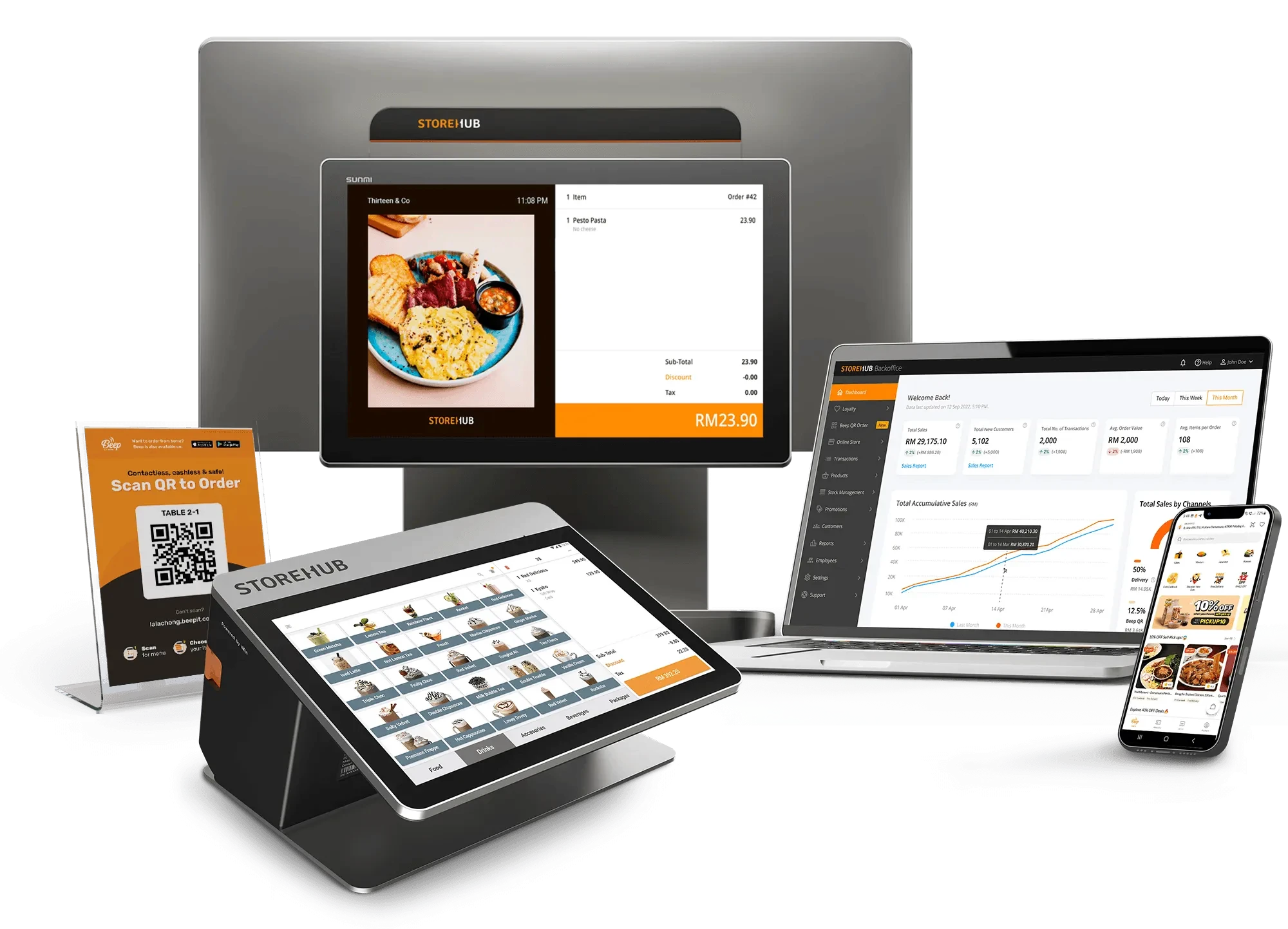
If you're looking for a reliable point-of-sale system that can help you manage your vape shop in Malaysia, you might want to consider StoreHub. Our cloud-based platform offers a range of features designed to help businesses streamline their operations, increase efficiency, and improve customer experience.
Take a closer look at what StoreHub can offer for your vape shop by booking a free demo today!

Disclaimer: This article is for informational purposes only and is not a substitute for legal advice. Retailers are responsible for meeting every requirement of the Control of Smoking Products for Public Health Act 2024 (Act 852). Failure to comply with these detailed regulations will result in heavy legal penalties. Always refer to the official law and seek qualified professional advice.
Starting a vape shop in Malaysia can be a great business opportunity, but it requires careful planning and execution. With the rising popularity of vaping among Malaysians, now is a great time to start your own vape shop. However, like any business, starting a vape shop requires careful planning and execution. To help you get started, we've done the research for you!
Here are the steps to take when starting a vape shop in Malaysia.
Research regulations and competition
The first step in starting a vape shop is to research the regulations and competition in your area. This will give you an idea of what you can and can't do in terms of advertising, marketing, and sales. In Malaysia, for example, there are regulations regarding the legal age for purchasing and using vaping products, as well as restrictions on advertising and marketing.
Knowing these regulations and restrictions will help you avoid any legal issues down the line.
You'll also want to research the competition in your area. Look at what other vape shops are doing, what products they're selling, and how they're marketing themselves. This will help you identify gaps in the market that you can fill with your own unique offerings. You can differentiate your shop by offering unique products or services, such as custom e-liquid blending, mod customization, or vape classes.
Vape regulations in Malaysia under the Control of Smoking Products for Public Health Act 2024 (Act 852) that YOU should follow:
Legal Age Restriction: Vape products can only be sold to customers who are 18 years old or above. Retailers must implement rigorous age verification protocols for every sale.
Advertising and Promotion: A strict and near-total ban is imposed on all forms of direct and indirect advertising, promotion, and sponsorship through any media channel, including social media, websites, print, and in-store displays. This explicitly prohibits offering giveaways, gifts, or discounts to promote vaping.
Product Registration (MOH): All smoking substances (e-liquids) and substitute tobacco products must be formally registered with the Ministry of Health (MOH) before being manufactured, imported, or sold. (Compliance for registration is under phased enforcement, e.g., by April 1, 2025).
Retail Display & Prohibited Sales:
Public display is banned at retail points of sale, except inside licensed specialised stores, where they must not be visible from the outside.
Online sales and sales via vending machines are strictly prohibited.
Sales are prohibited at and within 40 meters of educational and higher educational institutions.
Health Warnings & Packaging:
All vape products must carry prescribed pictorial and text health warnings that occupy a substantial portion of the packaging. (Compliance for new packaging is phased, e.g., by October 1, 2025).
Packaging must not resemble toys or food to prevent appeal to minors.
The use of descriptors that suggest a product is less harmful (e.g., "light," "premium," "mild") is prohibited.
Nicotine and Volume Limits (Phased):
The maximum nicotine concentration is set to be reduced to 20 mg/ml starting October 1, 2025.
The maximum capacity for cartridges/disposable pods is set to be reduced to 2 ml from October 1, 2026.
Import and Export: Vape shops are only allowed to import or export MOH-registered products with the necessary permits and approvals from relevant authorities.
Develop a business plan
The next step is to develop a business plan that outlines your goals, target market, financial projections, and marketing strategies. A business plan will help you stay on track and give you a clear direction for your business. It will also be helpful if you need to secure financing from investors or a bank.
In your business plan, be sure to identify your target market. Who are the customers you want to attract to your shop? What are their needs and preferences? Understanding your target market will help you make better decisions about what products to offer and how to market your business.
Obtain the necessary licenses and permits
You need to obtain the necessary licenses, permits, and product registrations to legally operate a vape shop in Malaysia. The primary regulating law is the Control of Smoking Products for Public Health Act 2024 (Act 852), which came into effect on October 1, 2024, and supersedes previous regulations.
Below is the updated list of requirements and compliance steps you need to secure:
Product Registration from the Ministry of Health (MOH):
This is the most critical new requirement. All e-liquids (defined as 'smoking substances') must be registered with the Director-General of the MOH.
This includes submitting an application, paying a fee, and providing a laboratory analysis report to ensure the product meets health standards.
Note: Products cannot be imported, manufactured, or distributed unless this registration is complete.
SIRIM Certification (KPDN):
Vape devices (hardware) are regulated by the Ministry of Domestic Trade and Costs of Living (KPDN) under the Trade Descriptions Act.
All imported or locally manufactured vape devices must comply with safety standards (MS 2716:2019) and be certified with the SIRIM MS mark before being sold in the market.
Local Business License:
This license is still required to operate a business and is issued by the local government (PBT).
The PBT will consider your compliance with Act 852, specifically checking that your location is not within 40 meters of an educational institution before granting a license.
Signboard License:
This license is still required to display a signboard or advertisement and is issued by the local government.
Crucial Update: Due to the strict advertising ban under Act 852, your signboard and any external signage cannot promote vaping products.
Fire Safety Certificate (BOMBA):
This certificate is still required to ensure the safety of the building and customers in the event of a fire and is issued by the Fire and Rescue Department of Malaysia.
Workers' Compensation Insurance (SOCSO):
This insurance is still required to provide coverage for workplace injuries or illnesses and is regulated by the Social Security Organization (SOCSO).
It is important to note that the focus has shifted from a single MOH license to mandatory Product Registration with the MOH and Device Certification (SIRIM), in addition to your local operating permits.
Additional permits may be required depending on the location and specific regulations of the state (as some local authorities have banned sales entirely). It's always best to consult with local authorities and legal experts to ensure full compliance with the Control of Smoking Products for Public Health Act 2024 when setting up a vape shop in Malaysia.
Stock your shop
When it comes to stocking your shop, it's important to offer a range of vaping devices, e-liquids, and accessories from different manufacturers. This will appeal to a wider range of customers and give them more options. Consider offering products at different price points to cater to different budgets. You can also offer a loyalty program or other incentives to keep customers returning.
In addition, consider offering products that are unique to your shop. For example, you could create your own line of e-liquids with unique flavours or work with local artists to create custom mods or drip tips.
Ready to start?
Starting a vape shop in Malaysia can be a rewarding business opportunity, but it requires careful planning and execution. By researching regulations and competition, developing a business plan, choosing the right location, obtaining necessary licenses and permits, stocking your shop, and marketing your business, you can increase your chances of success.
Remember to also focus on providing excellent customer service to keep customers coming back and recommending your shop to others. You can build a thriving vape shop business in Malaysia with dedication and hard work.
If you're looking for a reliable point-of-sale system that can help you manage your vape shop in Malaysia, you might want to consider StoreHub. Our cloud-based platform offers a range of features designed to help businesses streamline their operations, increase efficiency, and improve customer experience.
Take a closer look at what StoreHub can offer for your vape shop by booking a free demo today!
Disclaimer: This article is for informational purposes only and is not a substitute for legal advice. Retailers are responsible for meeting every requirement of the Control of Smoking Products for Public Health Act 2024 (Act 852). Failure to comply with these detailed regulations will result in heavy legal penalties. Always refer to the official law and seek qualified professional advice.
Starting a vape shop in Malaysia can be a great business opportunity, but it requires careful planning and execution. With the rising popularity of vaping among Malaysians, now is a great time to start your own vape shop. However, like any business, starting a vape shop requires careful planning and execution. To help you get started, we've done the research for you!
Here are the steps to take when starting a vape shop in Malaysia.
Research regulations and competition
The first step in starting a vape shop is to research the regulations and competition in your area. This will give you an idea of what you can and can't do in terms of advertising, marketing, and sales. In Malaysia, for example, there are regulations regarding the legal age for purchasing and using vaping products, as well as restrictions on advertising and marketing.
Knowing these regulations and restrictions will help you avoid any legal issues down the line.
You'll also want to research the competition in your area. Look at what other vape shops are doing, what products they're selling, and how they're marketing themselves. This will help you identify gaps in the market that you can fill with your own unique offerings. You can differentiate your shop by offering unique products or services, such as custom e-liquid blending, mod customization, or vape classes.
Vape regulations in Malaysia under the Control of Smoking Products for Public Health Act 2024 (Act 852) that YOU should follow:
Legal Age Restriction: Vape products can only be sold to customers who are 18 years old or above. Retailers must implement rigorous age verification protocols for every sale.
Advertising and Promotion: A strict and near-total ban is imposed on all forms of direct and indirect advertising, promotion, and sponsorship through any media channel, including social media, websites, print, and in-store displays. This explicitly prohibits offering giveaways, gifts, or discounts to promote vaping.
Product Registration (MOH): All smoking substances (e-liquids) and substitute tobacco products must be formally registered with the Ministry of Health (MOH) before being manufactured, imported, or sold. (Compliance for registration is under phased enforcement, e.g., by April 1, 2025).
Retail Display & Prohibited Sales:
Public display is banned at retail points of sale, except inside licensed specialised stores, where they must not be visible from the outside.
Online sales and sales via vending machines are strictly prohibited.
Sales are prohibited at and within 40 meters of educational and higher educational institutions.
Health Warnings & Packaging:
All vape products must carry prescribed pictorial and text health warnings that occupy a substantial portion of the packaging. (Compliance for new packaging is phased, e.g., by October 1, 2025).
Packaging must not resemble toys or food to prevent appeal to minors.
The use of descriptors that suggest a product is less harmful (e.g., "light," "premium," "mild") is prohibited.
Nicotine and Volume Limits (Phased):
The maximum nicotine concentration is set to be reduced to 20 mg/ml starting October 1, 2025.
The maximum capacity for cartridges/disposable pods is set to be reduced to 2 ml from October 1, 2026.
Import and Export: Vape shops are only allowed to import or export MOH-registered products with the necessary permits and approvals from relevant authorities.
Develop a business plan
The next step is to develop a business plan that outlines your goals, target market, financial projections, and marketing strategies. A business plan will help you stay on track and give you a clear direction for your business. It will also be helpful if you need to secure financing from investors or a bank.
In your business plan, be sure to identify your target market. Who are the customers you want to attract to your shop? What are their needs and preferences? Understanding your target market will help you make better decisions about what products to offer and how to market your business.
Obtain the necessary licenses and permits
You need to obtain the necessary licenses, permits, and product registrations to legally operate a vape shop in Malaysia. The primary regulating law is the Control of Smoking Products for Public Health Act 2024 (Act 852), which came into effect on October 1, 2024, and supersedes previous regulations.
Below is the updated list of requirements and compliance steps you need to secure:
Product Registration from the Ministry of Health (MOH):
This is the most critical new requirement. All e-liquids (defined as 'smoking substances') must be registered with the Director-General of the MOH.
This includes submitting an application, paying a fee, and providing a laboratory analysis report to ensure the product meets health standards.
Note: Products cannot be imported, manufactured, or distributed unless this registration is complete.
SIRIM Certification (KPDN):
Vape devices (hardware) are regulated by the Ministry of Domestic Trade and Costs of Living (KPDN) under the Trade Descriptions Act.
All imported or locally manufactured vape devices must comply with safety standards (MS 2716:2019) and be certified with the SIRIM MS mark before being sold in the market.
Local Business License:
This license is still required to operate a business and is issued by the local government (PBT).
The PBT will consider your compliance with Act 852, specifically checking that your location is not within 40 meters of an educational institution before granting a license.
Signboard License:
This license is still required to display a signboard or advertisement and is issued by the local government.
Crucial Update: Due to the strict advertising ban under Act 852, your signboard and any external signage cannot promote vaping products.
Fire Safety Certificate (BOMBA):
This certificate is still required to ensure the safety of the building and customers in the event of a fire and is issued by the Fire and Rescue Department of Malaysia.
Workers' Compensation Insurance (SOCSO):
This insurance is still required to provide coverage for workplace injuries or illnesses and is regulated by the Social Security Organization (SOCSO).
It is important to note that the focus has shifted from a single MOH license to mandatory Product Registration with the MOH and Device Certification (SIRIM), in addition to your local operating permits.
Additional permits may be required depending on the location and specific regulations of the state (as some local authorities have banned sales entirely). It's always best to consult with local authorities and legal experts to ensure full compliance with the Control of Smoking Products for Public Health Act 2024 when setting up a vape shop in Malaysia.
Stock your shop
When it comes to stocking your shop, it's important to offer a range of vaping devices, e-liquids, and accessories from different manufacturers. This will appeal to a wider range of customers and give them more options. Consider offering products at different price points to cater to different budgets. You can also offer a loyalty program or other incentives to keep customers returning.
In addition, consider offering products that are unique to your shop. For example, you could create your own line of e-liquids with unique flavours or work with local artists to create custom mods or drip tips.
Ready to start?
Starting a vape shop in Malaysia can be a rewarding business opportunity, but it requires careful planning and execution. By researching regulations and competition, developing a business plan, choosing the right location, obtaining necessary licenses and permits, stocking your shop, and marketing your business, you can increase your chances of success.
Remember to also focus on providing excellent customer service to keep customers coming back and recommending your shop to others. You can build a thriving vape shop business in Malaysia with dedication and hard work.
If you're looking for a reliable point-of-sale system that can help you manage your vape shop in Malaysia, you might want to consider StoreHub. Our cloud-based platform offers a range of features designed to help businesses streamline their operations, increase efficiency, and improve customer experience.
Take a closer look at what StoreHub can offer for your vape shop by booking a free demo today!
Disclaimer: This article is for informational purposes only and is not a substitute for legal advice. Retailers are responsible for meeting every requirement of the Control of Smoking Products for Public Health Act 2024 (Act 852). Failure to comply with these detailed regulations will result in heavy legal penalties. Always refer to the official law and seek qualified professional advice.
Related Posts
Related Posts



คุยกับผู้เชี่ยวชาญของเรา

Easy to use
for anyone

Safe and Secure
Transactions

Integrated with
various platforms

Trusted by 18,000+ businesses across Southeast Asia






คุยกับผู้เชี่ยวชาญของเรา
Easy to use
for anyone
Safe and Secure
Transactions
Integrated with
various platforms
Trusted by 18,000+ businesses across Southeast Asia
คุยกับผู้เชี่ยวชาญของเรา
Easy to use
for anyone
Safe and Secure
Transactions
Integrated with
various platforms
Trusted by 18,000+ businesses across Southeast Asia

StoreHub เป็นระบบการจัดการร้านค้าแบบ all-in-one ขับเคลื่อนกว่า 18,000+ ธุรกิจร้านค้า ทั่วเอเชียตะวันออกเฉียงใต้ ไม่ว่าจะเป็น ร้านอาหาร ร้านค้าปลีก เสื้อผ้า เครื่องประดับ และ ธุรกิจบริการ



© Copyright 2025 StoreHub | เงื่อนไขการใช้บริการ | นโยบายส่วนบุคคล
StoreHub เป็นระบบการจัดการร้านค้าแบบ all-in-one ขับเคลื่อนกว่า 18,000+ ธุรกิจร้านค้า ทั่วเอเชียตะวันออกเฉียงใต้ ไม่ว่าจะเป็น ร้านอาหาร ร้านค้าปลีก เสื้อผ้า เครื่องประดับ และ ธุรกิจบริการ
© Copyright 2025 StoreHub | เงื่อนไขการใช้บริการ | นโยบายส่วนบุคคล
StoreHub เป็นระบบการจัดการร้านค้าแบบ all-in-one ขับเคลื่อนกว่า 18,000+ ธุรกิจร้านค้า ทั่วเอเชียตะวันออกเฉียงใต้ ไม่ว่าจะเป็น ร้านอาหาร ร้านค้าปลีก เสื้อผ้า เครื่องประดับ และ ธุรกิจบริการ
© Copyright 2025 StoreHub | เงื่อนไขการใช้บริการ | นโยบายส่วนบุคคล